

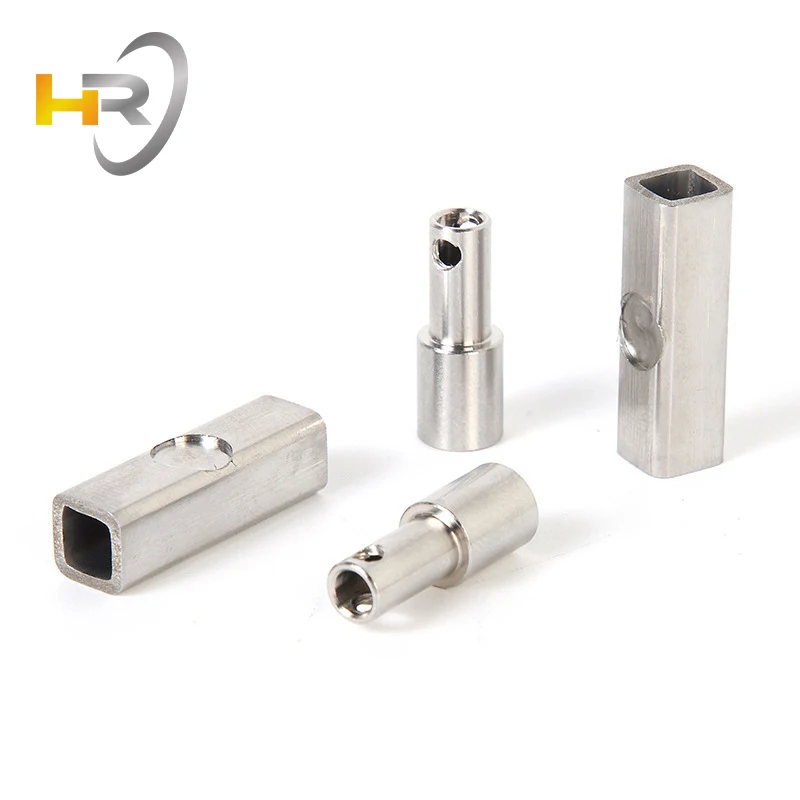
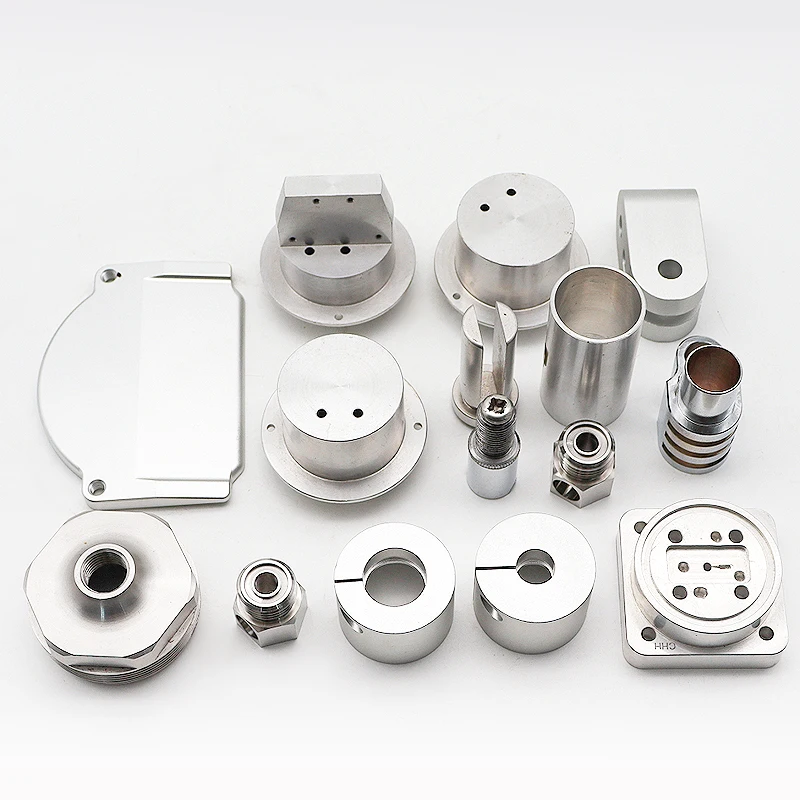
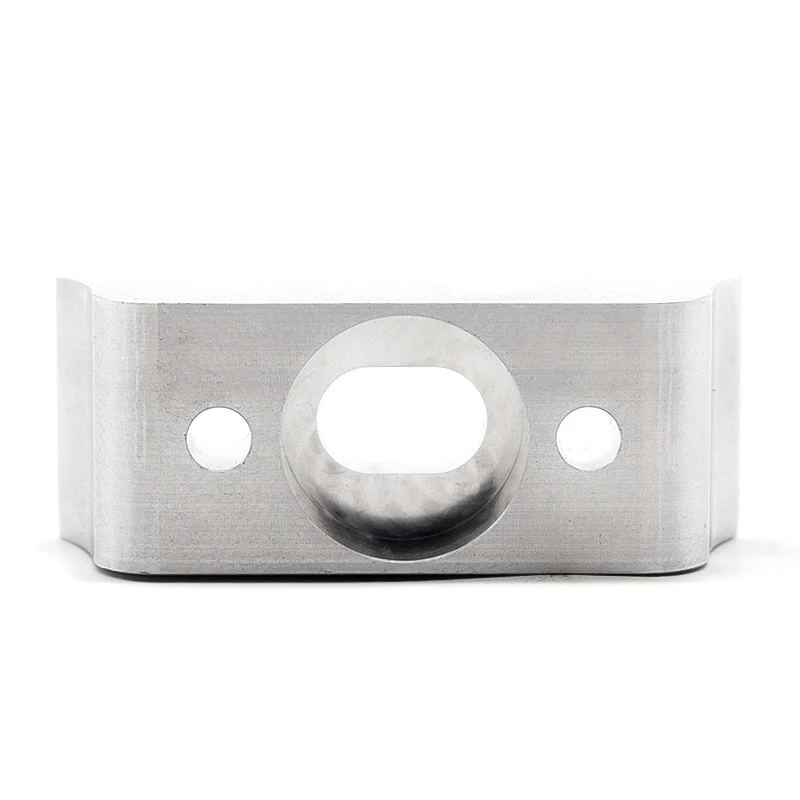
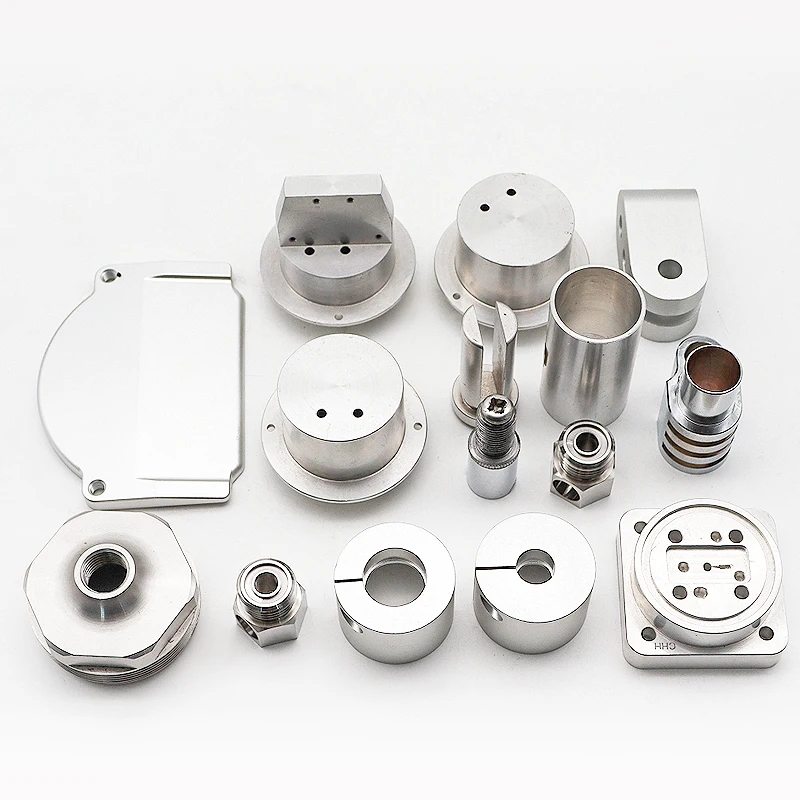
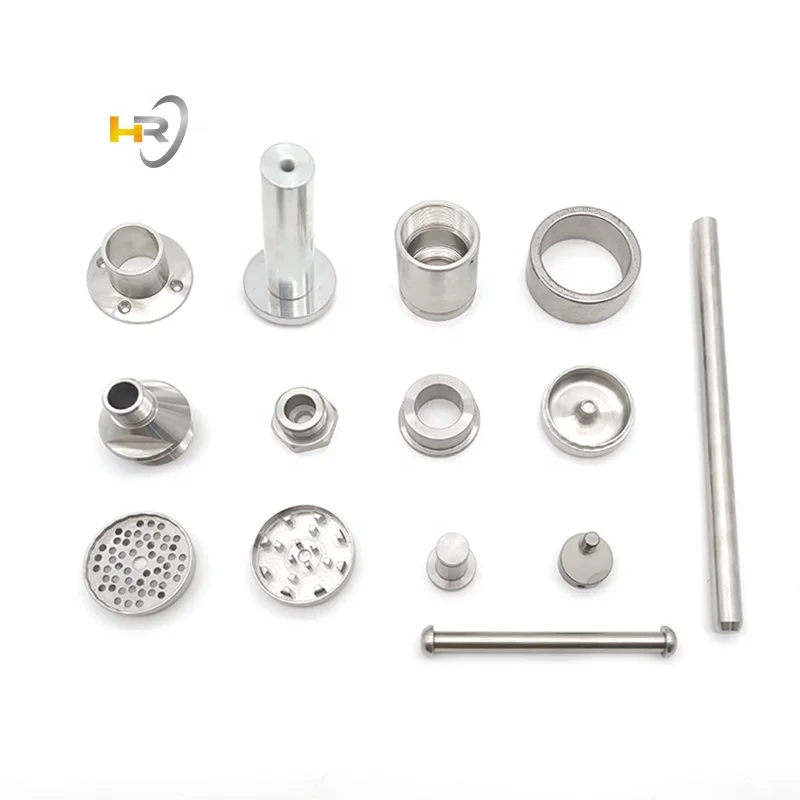
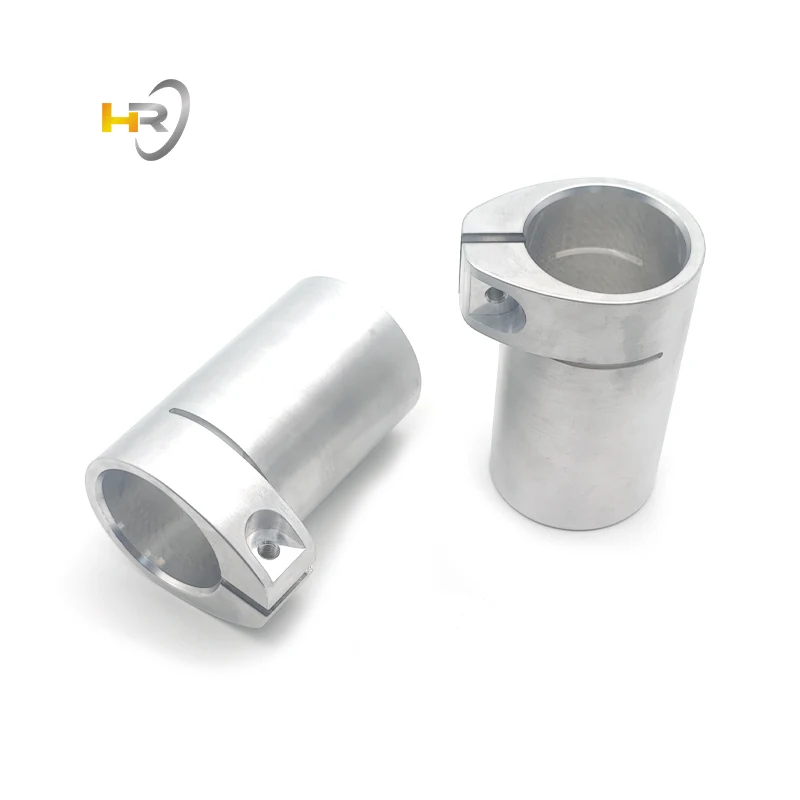
Aluminum parts manufactured by Shenzhen Huarui Century Technology Co., Ltd. are engineered to meet the requirements of industries that prioritize lightweight structures, dimensional accuracy, and stable mechanical performance. Aluminum is one of the most widely used engineering materials in modern manufacturing due to its excellent balance between strength, weight, corrosion resistance, and machinability. Through advanced CNC machining technologies, aluminum parts can be produced with complex geometries, tight tolerances, and consistent quality across different production volumes.
This aluminum parts category covers a broad range of components, including structural housings, brackets, frames, heat dissipation components, connectors, and precision mechanical parts. By combining CNC turning, milling, drilling, and secondary machining processes, aluminum parts can be customized strictly according to customer drawings and functional requirements. The flexibility of aluminum machining allows both prototyping and stable batch production to be efficiently supported.
From a performance perspective, aluminum parts offer a high strength-to-weight ratio, making them ideal for applications where weight reduction is critical without compromising structural integrity. Compared with steel components, aluminum parts significantly reduce overall system mass while maintaining sufficient rigidity. This advantage is especially important in transportation equipment, automation systems, and electronic assemblies.
In addition, aluminum parts demonstrate excellent thermal conductivity, allowing heat to dissipate efficiently during operation. This property makes aluminum an optimal choice for components exposed to continuous thermal loads. Through precise CNC machining, aluminum parts can achieve smooth surfaces, accurate mating interfaces, and consistent dimensional repeatability, ensuring stable assembly and long-term performance.
Customization is a core capability within this aluminum parts category. All aluminum parts are produced based on customer-provided drawings, samples, or technical specifications. Dimensional accuracy, tolerance levels, surface conditions, and material grades can be fully customized. CNC machining ensures that aluminum parts maintain tight tolerances, often reaching ±0.01 mm, depending on geometry and application requirements.
One of the most prominent advantages of aluminum parts is their superior thermal and electrical conductivity. Aluminum efficiently transfers heat, which is essential for components used in heat sinks, radiators, power electronics housings, and thermal management systems. In high-duty applications, aluminum parts help prevent overheating, extend component lifespan, and improve overall system reliability.
From an electrical standpoint, aluminum parts are widely used in conductive components and power-related assemblies. When combined with precision machining, aluminum parts provide stable contact surfaces and reliable electrical pathways. This makes them suitable for electrical enclosures, connectors, and industrial power fittings where both conductivity and mechanical strength are required.
Aluminum parts naturally form a dense oxide layer on their surface, which provides effective protection against corrosion. This inherent corrosion resistance allows aluminum parts to perform reliably in humid, outdoor, or chemically exposed environments. For applications with higher aesthetic or durability requirements, surface treatments such as anodizing, polishing, or coating can further enhance corrosion resistance and visual appearance.
Through controlled surface finishing processes, aluminum parts can achieve uniform color, improved wear resistance, and enhanced surface hardness. These treatments are particularly beneficial for consumer electronics, architectural components, and visible mechanical assemblies where appearance and durability are equally important.
Another significant advantage of aluminum parts lies in their sustainability. Aluminum is highly recyclable, and recycled aluminum requires only a fraction of the energy needed to produce primary aluminum. This characteristic makes aluminum parts an environmentally responsible choice for manufacturers seeking to reduce carbon footprint and comply with global sustainability initiatives.
The recyclability of aluminum parts does not compromise material performance. Recycled aluminum retains excellent mechanical and physical properties, allowing it to be reused in high-precision CNC machining applications. This makes aluminum parts suitable for long-term, large-scale production strategies aligned with environmental responsibility.
In industrial machinery, aluminum parts are widely used for frames, brackets, housings, and motion components. Their lightweight nature reduces inertia and improves energy efficiency in automated systems. CNC-machined aluminum parts provide precise alignment and structural stability, which are essential for high-speed and high-precision equipment.
Aluminum parts play a critical role in electronics manufacturing, particularly in heat dissipation and enclosure applications. CNC machining allows aluminum parts to incorporate fins, grooves, and complex internal channels that enhance heat transfer efficiency. These features are commonly applied in LED lighting systems, power supplies, communication devices, and control cabinets.
In transportation-related applications, aluminum parts contribute to weight reduction while maintaining sufficient strength. They are used in brackets, supports, housings, and functional assemblies where reduced mass improves performance and efficiency. Precision-machined aluminum parts ensure consistent fit and reliable performance under dynamic loads.
For OEM and custom engineering projects, aluminum parts offer unmatched flexibility. Complex shapes, tight tolerances, and integrated features can be achieved through CNC machining. This makes aluminum parts suitable for specialized equipment, prototype development, and customized industrial solutions across multiple sectors.
| Item | Specification |
|---|---|
| CNC Machining | CNC Machining |
| Place of Origin | Guangdong, China |
| Brand Name | HUARUI |
| Machining Processes | Turning, Milling, Drilling, Wire EDM, Rapid Prototyping |
| Micro Machining | Available |
| Material Capabilities | Aluminum, Brass, Bronze, Copper, Stainless Steel, Steel Alloys |
| Size | Customized Size |
| Tolerance | As per Customer Drawing (up to ±0.01 mm) |
| Color | Customized Color |
| OEM / ODM | Accepted |
| Quality Control | 100% Inspection |
For aluminum parts projects, clear technical communication is essential to ensure manufacturing accuracy and functional performance. Engineering teams typically exchange drawings, tolerance requirements, and surface finish expectations during the early stages. This coordination helps optimize machining strategies and material selection.
Aluminum parts benefit from early design-for-manufacturing considerations. By aligning component geometry with CNC machining capabilities, unnecessary complexity can be avoided, and production efficiency can be improved. This collaborative approach supports stable long-term supply relationships and consistent product quality.
Aluminum parts include structural components, housings, brackets, heat sinks, connectors, and precision mechanical parts, all produced according to custom drawings.
Depending on part geometry and application, aluminum parts can achieve tolerances up to ±0.01 mm through CNC machining.
Yes. Aluminum parts can undergo anodizing, polishing, coating, or other surface treatments based on functional and aesthetic requirements.
Aluminum parts are suitable for prototyping, small batches, and medium to large-scale production with consistent quality.
Quality is ensured through standardized CNC machining processes, in-process monitoring, and 100% inspection based on customer drawings and specifications.
 EN
EN