
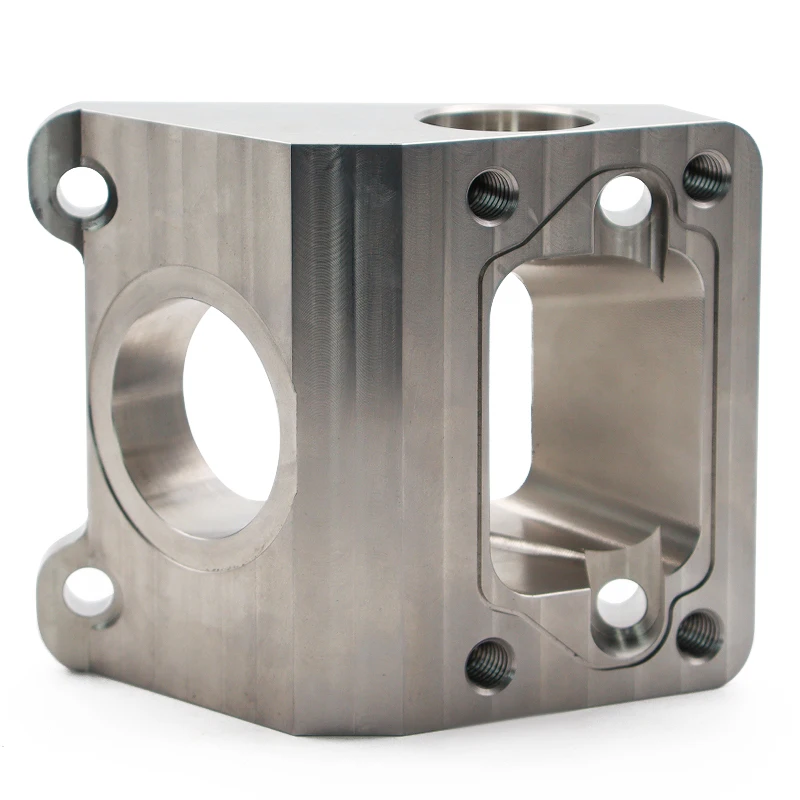
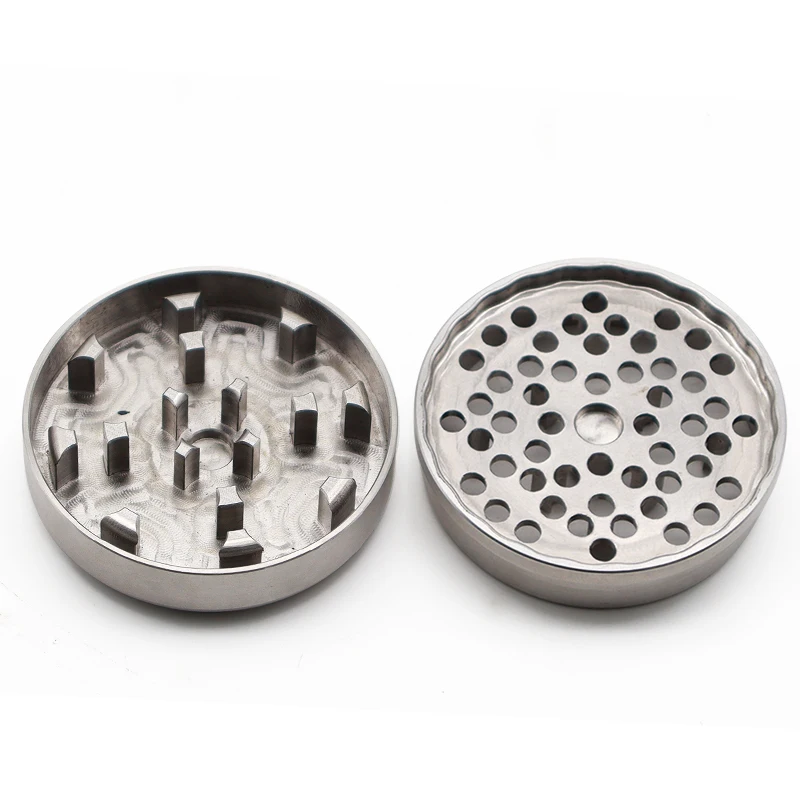
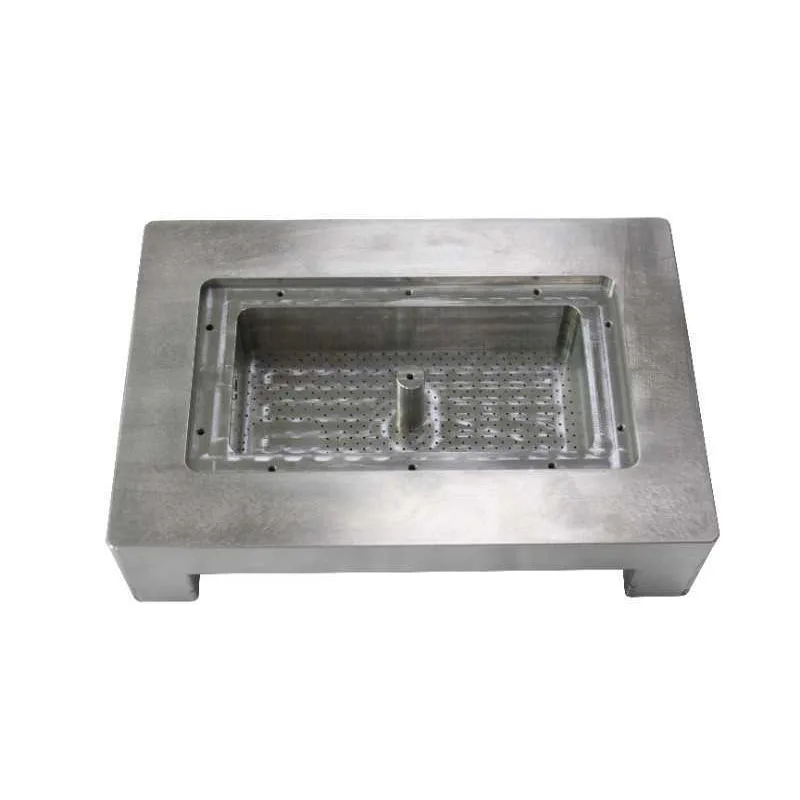
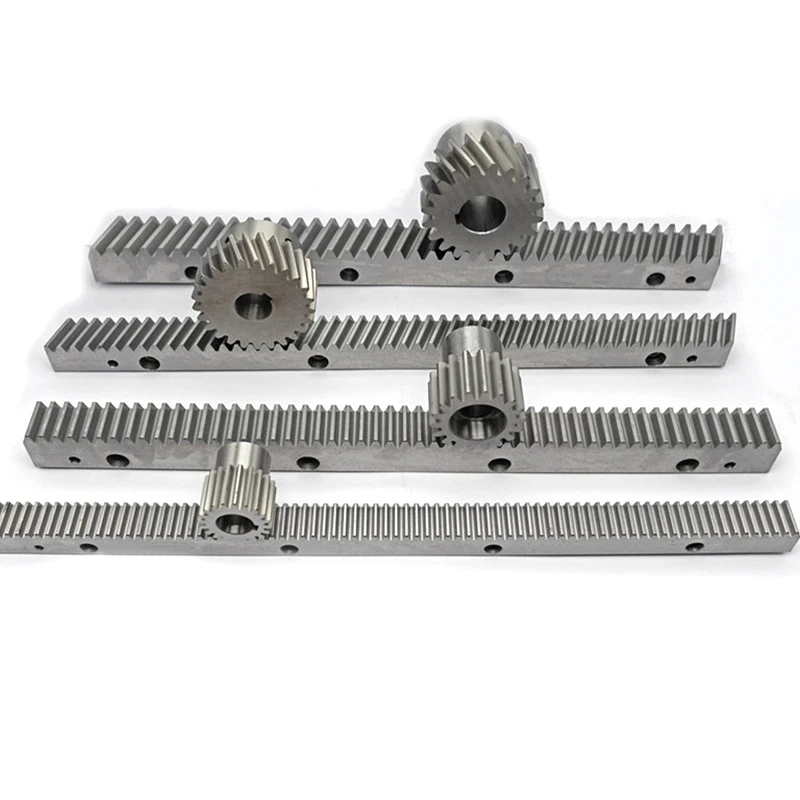
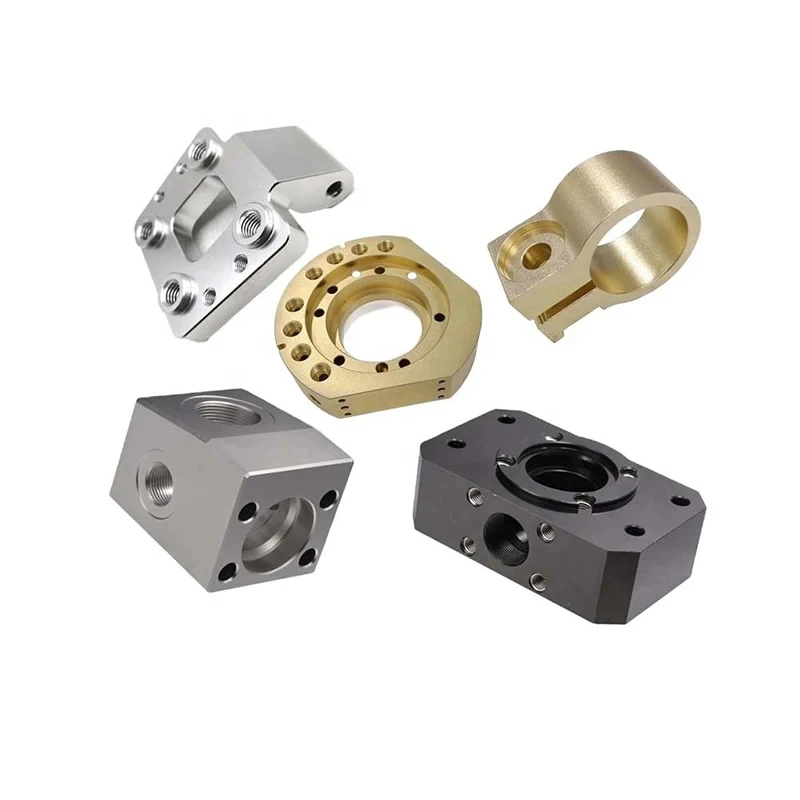
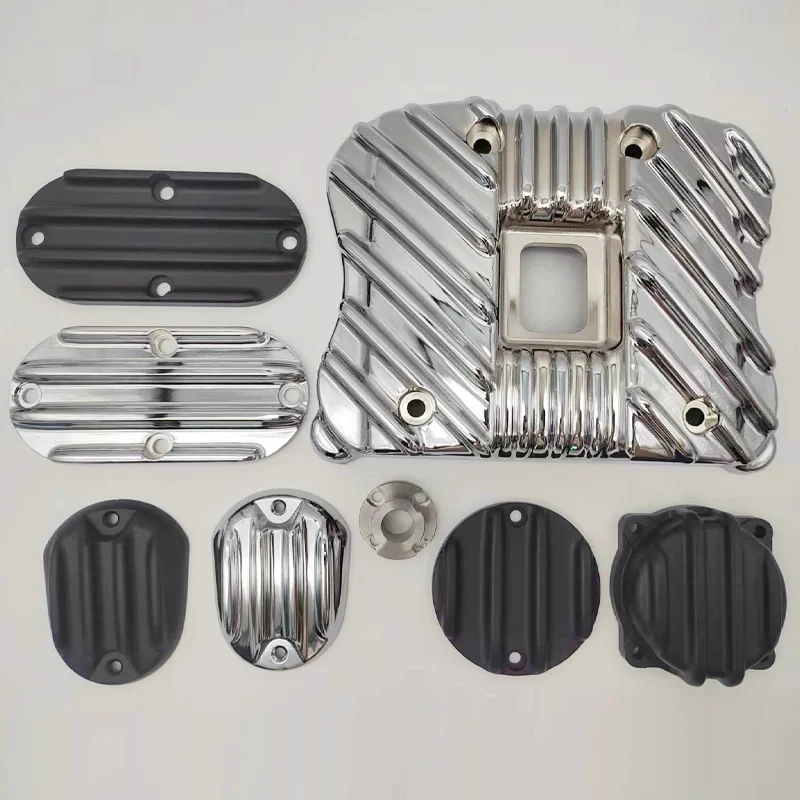
Titanium parts produced by Shenzhen Huarui Century Technology Co., Ltd. are precision-engineered components manufactured through advanced CNC machining, turning, milling, and multi-axis processes. Titanium’s exceptional strength-to-weight ratio, corrosion resistance, and thermal stability make it a preferred material for high-performance industries such as aerospace, defense, medical devices, automotive, and industrial equipment.
Huarui’s titanium parts are designed to meet the strictest engineering standards. Components can be produced in various grades, including commercially pure titanium (CP-Ti) and titanium alloys (such as Ti-6Al-4V), depending on application requirements. CNC machining ensures precise geometries, smooth surfaces, and tight dimensional tolerances, making these parts suitable for critical applications where performance cannot be compromised.
The company offers OEM and ODM services, providing tailored solutions for custom sizes, shapes, and surface finishes. Titanium parts are often used in environments demanding high strength, lightweight construction, and corrosion resistance, such as aircraft structural components, engine parts, and medical implants. Huarui’s expertise in handling titanium guarantees reduced scrap rates, minimal distortion, and consistent quality, even for complex geometries.
Stringent quality control measures, including coordinate measuring machines (CMM), roughness testers, and tool microscopes, are implemented throughout the production process. These checks ensure that every titanium part meets the customer’s specifications and industry standards, delivering high reliability and performance.
Titanium parts excel in applications requiring both light weight and high strength. Components such as aircraft structural elements, turbine blades, and spacecraft brackets rely on titanium for its superior strength-to-weight ratio. CNC machining enables precise control over wall thickness, contours, and tolerances, ensuring maximum efficiency in weight-critical applications.
The ability to maintain mechanical integrity while reducing component weight improves fuel efficiency in aerospace and automotive industries and allows for higher payloads and performance in machinery and medical devices.
Titanium alloys are prone to chatter and vibration during machining due to their low thermal conductivity and high strength. Huarui employs specialized cutting paths, rigid machine setups, and vibration-damping techniques to achieve smooth finishes and dimensional accuracy. Multi-axis machining centers and optimized fixturing strategies minimize deflection and ensure repeatable performance for complex components.
This approach guarantees that parts maintain structural stability under dynamic conditions, making them suitable for rotating or load-bearing applications, including precision aerospace components, surgical instruments, and industrial fasteners.
Titanium machining requires high-cost, specialized tooling such as diamond-coated or carbide tools to withstand its hardness and abrasion resistance. Conservative cutting parameters, including reduced feed rates and optimized spindle speeds, are applied to protect tool life and ensure high surface quality.
Huarui’s engineers carefully balance machining efficiency with precision and tool longevity, producing parts with superior mechanical properties and minimal residual stress. The combination of skilled programming, advanced tooling, and strict process control results in high-quality titanium parts capable of meeting the most stringent technical demands.
Titanium naturally forms a stable oxide layer on its surface, providing excellent resistance to corrosion from seawater, chlorides, acids, and alkalis. CNC-machined titanium parts maintain these properties even after complex shaping processes, ensuring long service life in harsh environments.
Moreover, titanium’s low thermal expansion coefficient allows components to retain precise dimensions under varying temperature conditions, crucial for aerospace, automotive, and industrial applications where temperature fluctuations are significant.
Titanium parts are essential in the manufacture of aircraft structures, engine components, fasteners, and landing gear. CNC machining ensures high precision and surface integrity, supporting both performance and safety in high-stress environments.
Biocompatible titanium alloys are widely used in surgical instruments, orthopedic implants, and dental devices. Machined parts are finished to meet stringent medical standards, including smooth surfaces, precise tolerances, and corrosion resistance.
High-performance vehicles and industrial machinery benefit from titanium parts due to their lightweight, strength, and durability. Applications include engine components, exhaust systems, brackets, and fasteners that reduce weight while improving operational efficiency.
Titanium’s resistance to seawater and chemical corrosion makes it ideal for marine hardware, pumps, valves, and chemical processing equipment. CNC-machined parts maintain high structural integrity in aggressive environments.
| Parameter | Specification |
|---|---|
| CNC Machining | CNC Machining |
| Micro Machining | Supported |
| Material Capabilities | Aluminum, Brass, Bronze, Copper, Hardened Metals, Precious Metals, Stainless Steel, Steel Alloys |
| Place of Origin | Guangdong, China |
| Brand Name | HUARUI |
| Type | Broaching, Drilling, Chemical Machining, Laser Machining, Milling, Turning, Wire EDM, Rapid Prototyping |
| Size | Customized Size |
| Color | Customized Color |
| Tolerance | Customer Drawing Request |
| Material | Customer’s Requirement |
| OEM / ODM | Accepted |
| Quality Control | 100% Inspection |
Design Consultation – Clients provide drawings or 3D models in formats such as AutoCAD, SolidWorks, or STEP. Huarui engineers review designs and suggest improvements for manufacturability, tolerance optimization, and material selection.
Material Selection – Guidance is provided on titanium grades and alloy compositions based on application requirements, mechanical performance, and corrosion resistance needs.
Prototype Development – Rapid prototyping using CNC milling and turning allows verification of dimensions, surface finish, and functional performance before mass production.
Precision Machining – Multi-axis CNC equipment executes high-precision cutting, milling, and turning, applying specialized tooling and vibration-damping strategies.
Quality Assurance – 100% inspection with CMM, roughness measurement, and dimensional verification ensures all parts meet strict tolerances. Reports are provided for client verification.
Surface Treatment and Finishing – Optional treatments such as anodizing, polishing, or passivation are applied to enhance corrosion resistance, aesthetics, and functionality.
Final Delivery – Parts are carefully packaged, labeled, and shipped according to client requirements, with documentation including inspection certificates and process traceability.
For professional consultation or quotations for titanium parts, please contact Shenzhen Huarui Century Technology Co., Ltd. Provide your drawings, specifications, and application requirements for tailored solutions. Our team ensures technical support, production reliability, and timely delivery.
We support CP-Ti, Ti-6Al-4V, and other titanium alloys suitable for aerospace, medical, and industrial applications.
Tight tolerances of ±0.01 mm are achievable, depending on geometry, material grade, and processing complexity.
Yes. Options include anodizing, passivation, polishing, and precision deburring to meet aesthetic, functional, or corrosion resistance requirements.
Absolutely. Multi-axis CNC machining allows intricate shapes, thin walls, threads, and cavities with high precision.
Industries include aerospace, defense, medical, automotive, chemical, and marine sectors, where high strength-to-weight ratio and corrosion resistance are critical.
 EN
EN