

Home > Custom Service > custom Sheet Metal Fabrication service
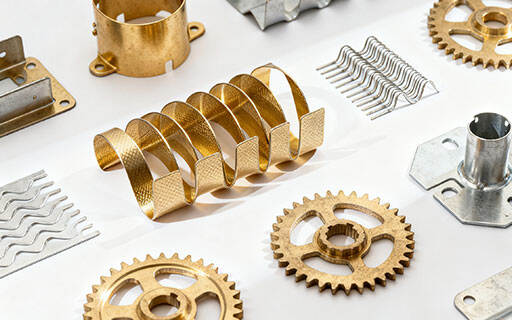
Material & Application Versatility (works with various metals and plastics)It is a highly adaptable manufacturing process characterized by:
1.Cost-Effectiveness & Speed (Ideal for medium to high-volume production of enclosures and brackets)
2.Rapid Prototyping Capability (Quickly iterating designs for thin-walled parts and structures)
3.High Strength & Lightweight (Creating durable parts with minimal material weight)
4.Material & Design Versatility (Works with steel, aluminum, brass for various industrial applications)
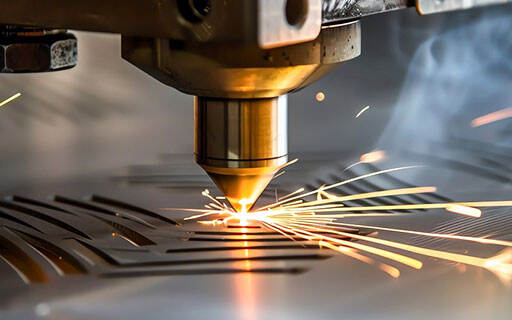
Sheet metal fabrication is a comprehensive manufacturing process that shapes sheet metal into functional shapes and structures. During the design and programming phase, CAD models are translated into machine instructions, optimizing the planar layout to improve material utilization during the nesting step. This is followed by cutting, which can be achieved through various high-precision methods such as laser cutting and stamping. After cutting, the individual parts begin to bend. Bending machines use punches and dies to apply immense pressure, precisely folding the metal along the bending line to form a three-dimensional geometry. For more complex hollow shapes, the process may involve deep drawing, where the metal billet is drawn radially into a forming die. Welding, riveting, and the use of bolts and screws are then employed. Finally, the parts undergo finishing processes, including deburring, grinding, and surface treatment. Sheet metal fabrication is a systematic subtractive manufacturing and forming process.

Sheet metal machining is a highly versatile manufacturing process with widespread applicability across numerous industries. In the electronics and telecommunications sectors, it is essential for producing precise device enclosures, server racks, and shielding components. The automotive and aerospace industries rely on it for lightweight body panels, structural brackets, and engine components. It also plays a vital role in construction for architectural elements like roofing and facades, while the medical field utilizes it for diagnostic equipment housings and surgical instrument trays. From household appliances and industrial machinery to energy systems and consumer products, sheet metal fabrication provides the foundational components that drive modern manufacturing.
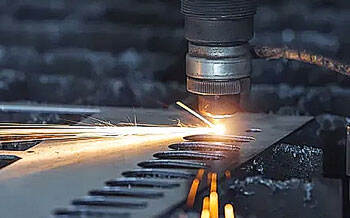
A highly precise and fast process that uses a focused laser beam to vaporize material, ideal for cutting complex shapes and fine details from sheet metal.
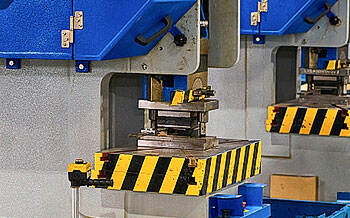
A high-speed forming technique that uses a press and a die to punch, bend, or blank sheet metal, perfect for mass-producing identical parts with high efficiency.
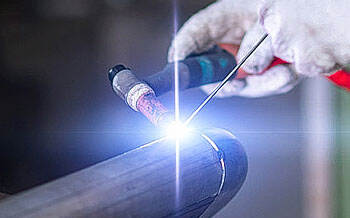
A fundamental fabrication method that permanently joins metal parts by melting and fusing them together at the seam, creating a strong, continuous structure.
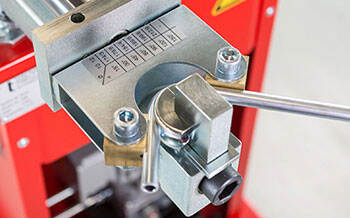
Bending is a forming process that uses mechanical force to plastically deform sheet metal or other materials into specific angles and shapes.
Carbon Steel
A widely used material valued for its high strength, exceptional durability, and cost-effectiveness, making it ideal for heavy-duty structural components and industrial machinery.
Titanium Alloy
Renowned for its exceptional strength-to-weight ratio, outstanding corrosion resistance, and excellent biocompatibility, it is the top choice for aerospace, medical implants, and high-performance engineering applications.
Magnesium Alloy
Known as the lightest structural metal, it offers good damping capacity, high thermal conductivity, and ease of machining, though it requires protective treatments for corrosion resistance in demanding environments.
Our company mainly provides customers with high-quality products and reliable services, so as to save customers' time and cost.
 EN
EN