

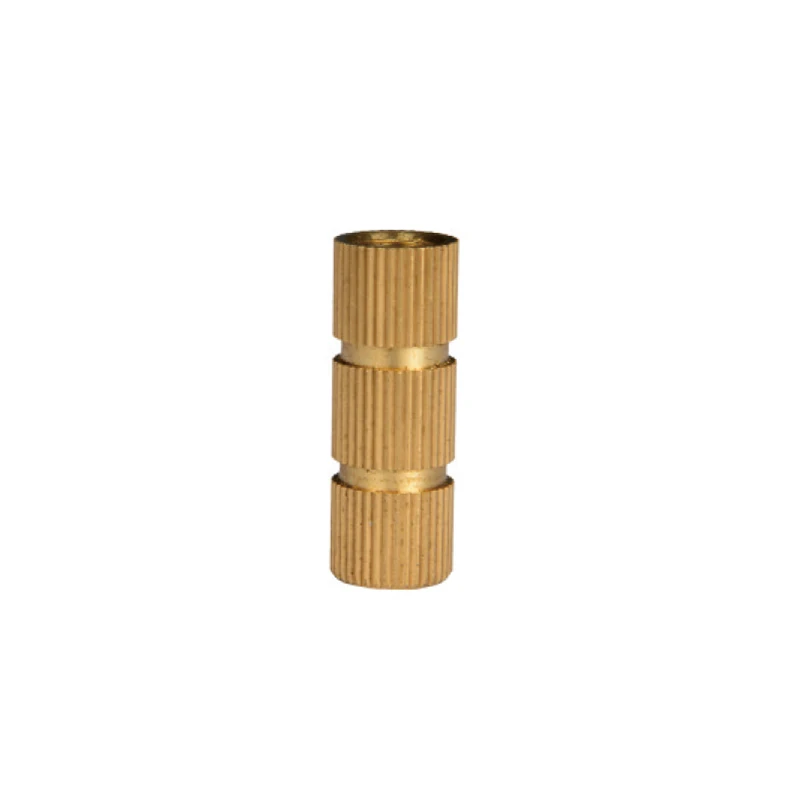
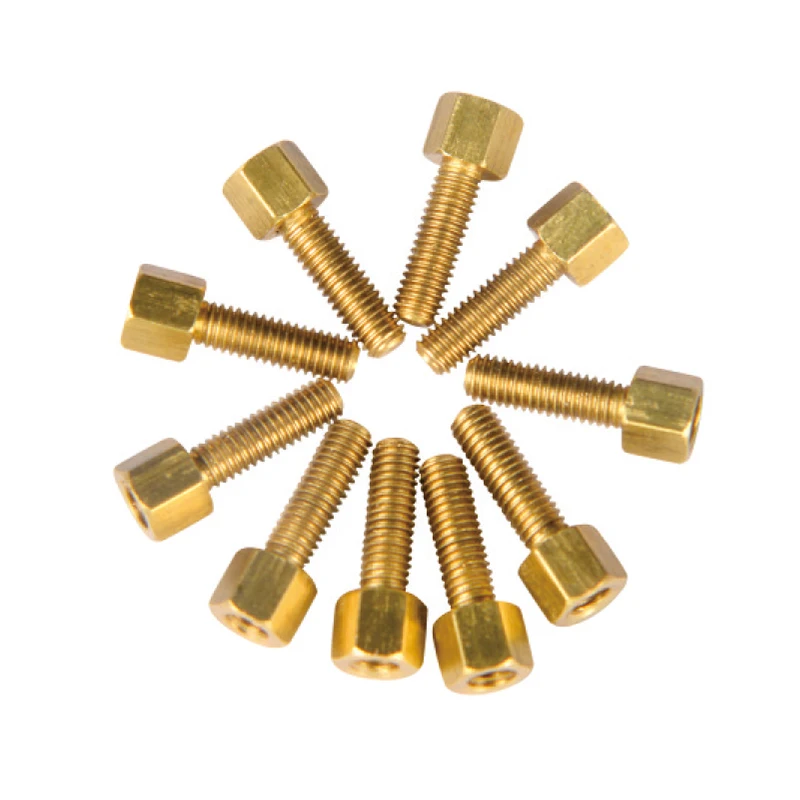
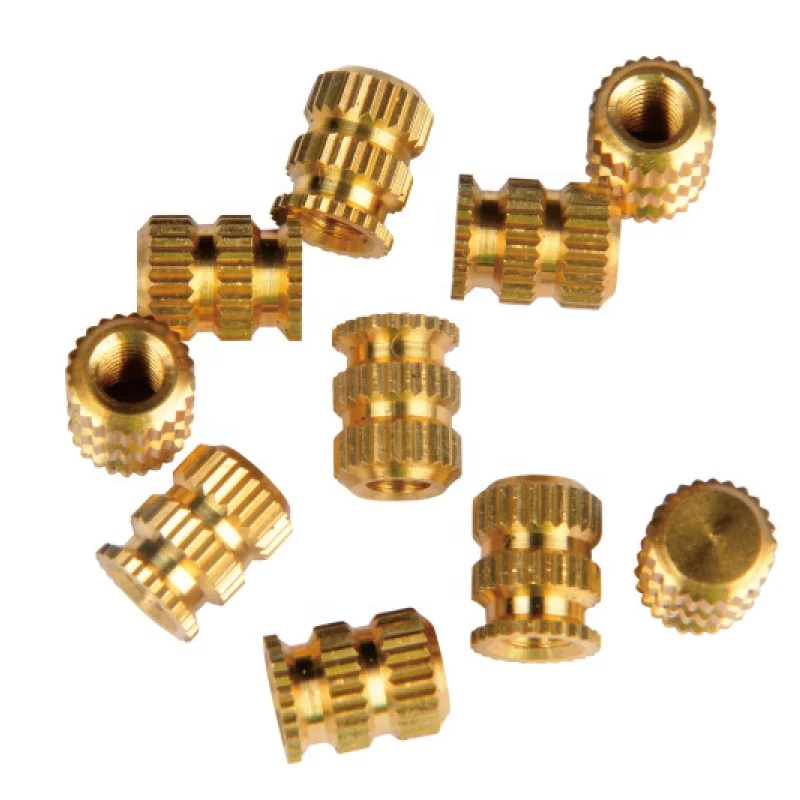
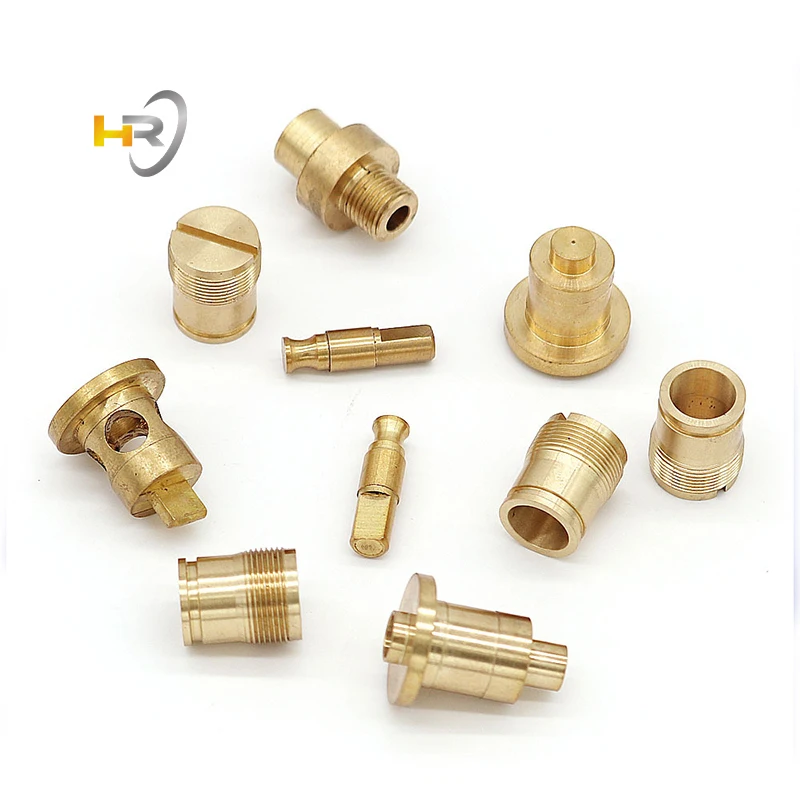
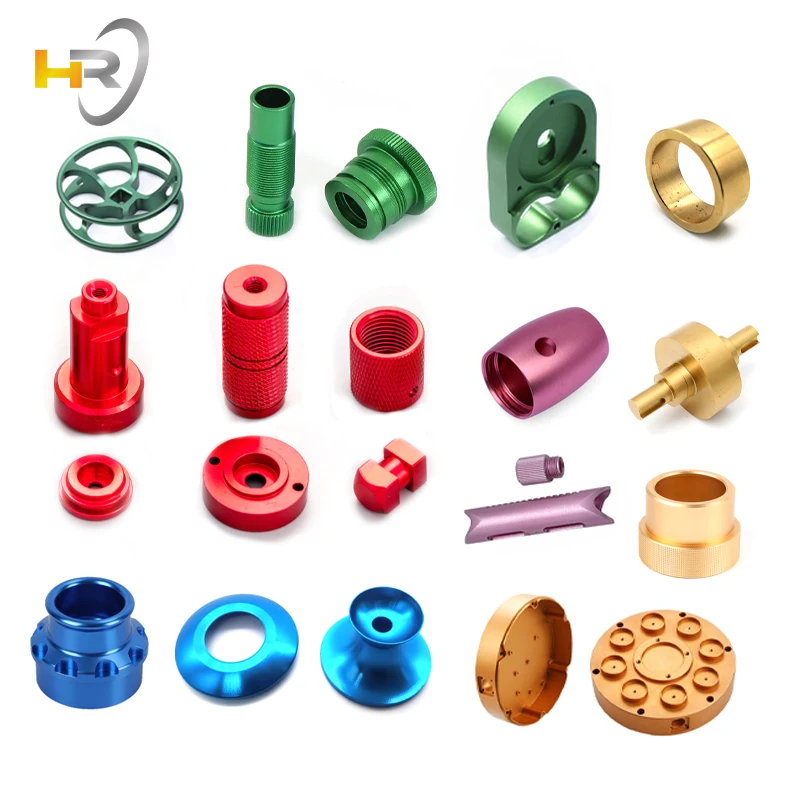
Brass parts produced by Shenzhen Huarui Century Technology Co., Ltd. represent precision-engineered components manufactured using advanced CNC machining, turning, milling, and multi-axis processing techniques. These components are widely used across electrical, mechanical, automotive, and instrumentation applications due to their unique combination of mechanical strength, corrosion resistance, and dimensional stability. CNC-machined brass parts offer high accuracy, repeatable performance, and superior surface finishes, ensuring reliability in both prototype and production environments.
Brass is an alloy primarily composed of copper and zinc, sometimes with small additions of lead or other elements to enhance machinability or specific mechanical properties. Huarui’s brass parts range includes standard alloys suitable for general-purpose mechanical components as well as leaded and free-cutting grades optimized for high-speed CNC machining. These materials offer excellent thermal and electrical conductivity, making them ideal for components such as electrical connectors, terminals, heat sinks, and mechanical wear parts.
Mechanically, brass combines sufficient strength with ductility, enabling the production of complex geometries including thin-walled parts, threads, grooves, and detailed patterns. Its natural corrosion resistance allows use in water, marine, and mildly acidic or alkaline environments without compromising performance. Huarui supports customized OEM and ODM orders, enabling clients to produce brass components tailored to their specific functional and dimensional requirements.
Stringent quality control procedures, including dimensional inspection, surface finish evaluation, and mechanical property verification, ensure that every part meets customer specifications. This combination of material versatility, precision machining, and quality assurance positions Huarui as a reliable supplier for industries such as electronics, instrumentation, HVAC, automotive, and mechanical equipment.
Brass parts from Huarui exhibit high electrical and thermal conductivity, with conductivity reaching approximately 28% of pure copper. This property makes brass an ideal choice for cost-effective electrical components, connectors, switches, and heat-dissipating elements. The balance between conductivity, mechanical strength, and corrosion resistance ensures components perform reliably under demanding conditions.
High thermal conductivity also facilitates heat transfer in applications such as radiator components, heat sinks, and electronic housing, contributing to better system efficiency and extended component life. This combination of properties allows Huarui’s brass parts to serve as both functional and structural elements in diverse applications.
Certain brass alloys, particularly leaded brass, possess inherent low friction coefficients and self-lubricating characteristics. This makes them suitable for components such as bearings, bushings, gears, and valves, where wear resistance and smooth motion are critical. These properties reduce the need for additional lubrication, simplify maintenance, and improve long-term operational reliability.
CNC machining ensures that fine tolerances, smooth sliding surfaces, and intricate features are accurately produced. This precision machining allows parts to operate efficiently under varying loads and speeds, extending service life and reducing the risk of mechanical failure.
Brass parts are non-magnetic under all operating conditions, a property essential for applications in precision instrumentation, navigation systems, and environments sensitive to electromagnetic interference. Non-magnetic behavior ensures that instruments remain accurate, sensors operate reliably, and electronic signals are not affected by magnetic disturbances.
This makes CNC-machined brass components indispensable in industries such as aerospace, defense, medical instrumentation, and electronic manufacturing, where magnetic neutrality is a design requirement.
Brass combines adequate strength, hardness, and ductility, allowing for complex cold or hot forming processes. It can be machined into intricate shapes, threaded components, and multi-featured mechanical parts. CNC machining enables precise control over geometry and dimensions, allowing Huarui to produce parts with tight tolerances, consistent surface finishes, and high repeatability.
The mechanical versatility of brass supports applications ranging from structural connectors and valves to decorative hardware and functional mechanical components. Its combination of machinability, formability, and corrosion resistance ensures reliable performance in both static and dynamic applications.
Brass parts are widely used in electrical connectors, terminals, switches, and relays due to their high electrical conductivity and corrosion resistance. CNC machining ensures precise dimensions for secure connections and optimal signal transmission. Brass connectors are commonly found in consumer electronics, telecommunications, and automotive wiring systems.
CNC-machined brass components are ideal for low-friction mechanical applications such as bushings, bearings, gears, valves, and pumps. Leaded brass grades provide self-lubrication and extended wear life, reducing maintenance requirements and enhancing system reliability in industrial machinery, automotive applications, and hydraulic systems.
Brass parts’ non-magnetic properties make them suitable for precision instruments, navigational devices, and sensitive measurement equipment. CNC machining ensures accurate tolerances and repeatable performance, critical for applications in aerospace, defense, and laboratory instrumentation.
Brass offers excellent corrosion resistance in water, marine, and mild chemical environments. It is used in HVAC systems, plumbing fixtures, marine hardware, and outdoor equipment. CNC machining allows complex geometries to be produced without compromising corrosion performance, enabling robust and long-lasting components.
Beyond functional performance, brass parts are valued for aesthetic appearance and surface finish. CNC machining enables precise detailing, fine threads, grooves, and embossed designs. Parts can also be finished with plating, polishing, or coating to enhance durability and visual appeal, making them suitable for furniture fittings, musical instruments, and architectural hardware.
| Parameter | Specification |
|---|---|
| CNC Machining | CNC Machining |
| Micro Machining | Supported |
| Material Capabilities | Aluminum, Brass, Bronze, Copper, Hardened Metals, Precious Metals, Stainless Steel, Steel Alloys |
| Place of Origin | Guangdong, China |
| Brand Name | HUARUI |
| Type | Broaching, Drilling, Chemical Machining, Laser Machining, Milling, Turning, Wire EDM, Rapid Prototyping |
| Size | Customized Size |
| Color | Customized Color |
| Tolerance | According to Customer Drawing Request |
| Material | Customer’s Requirement |
| OEM / ODM | Accepted |
| Quality Control | 100% Inspection |
For CNC-machined brass parts, detailed drawings, functional specifications, and material requirements ensure accurate quotations and optimal production planning. Huarui’s technical team can assist with design optimization, material selection, and cost-effective manufacturing solutions.
Contact us to discuss project requirements, request a sample, or obtain a quotation. Our team provides full support throughout design, production, and delivery to ensure reliable, high-quality brass components.
Huarui offers leaded and unleaded brass grades suitable for electrical, mechanical, and precision applications.
Yes. With high conductivity and corrosion resistance, brass parts are ideal for connectors, terminals, and heat-dissipating components.
Yes. CNC machining enables tight tolerances, smooth surfaces, and complex geometries, suitable for bearings, gears, and valves.
Typical tolerances are ±0.01 mm, depending on geometry, machining complexity, and material grade.
Yes. Options include polishing, plating (nickel, chrome, gold), passivation, and protective coatings according to application requirements.
 EN
EN