
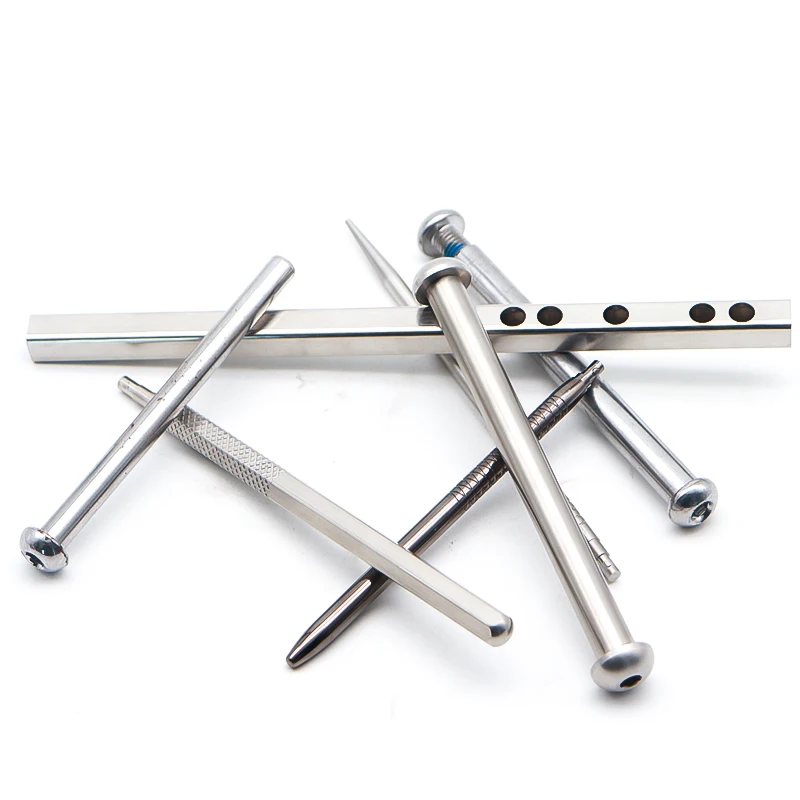
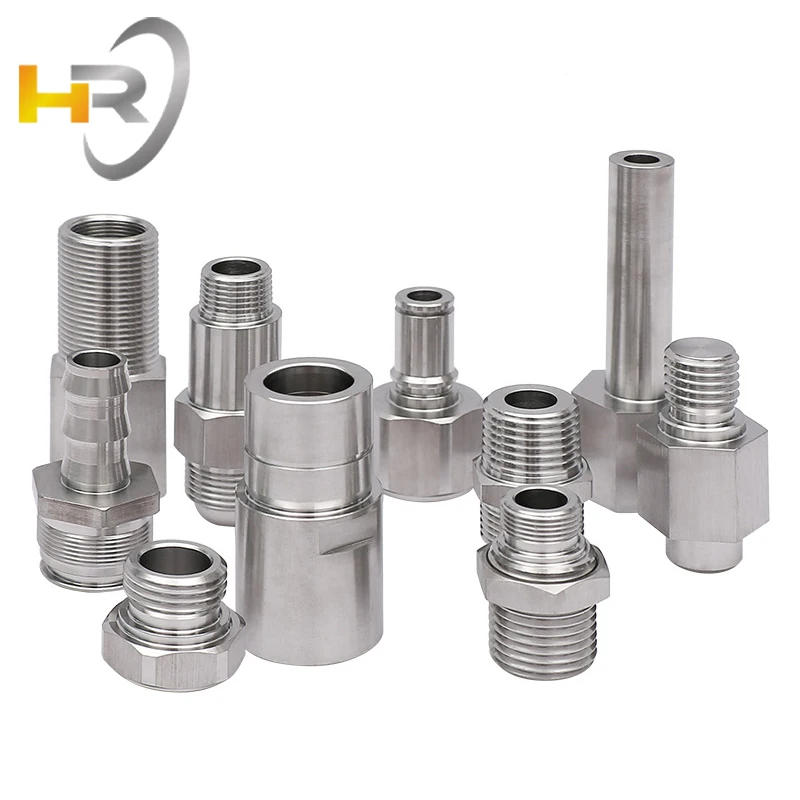
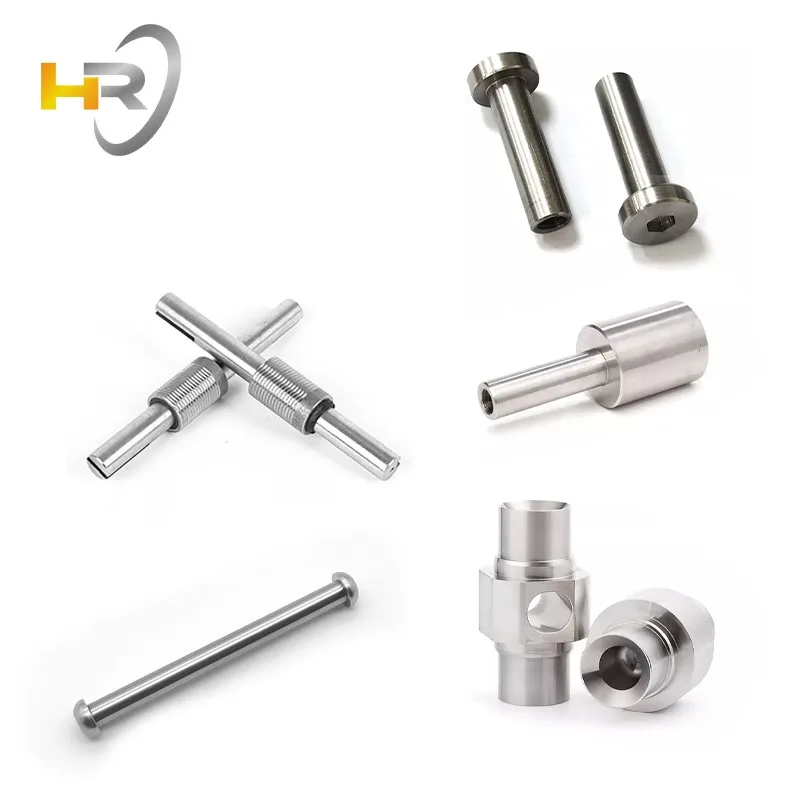
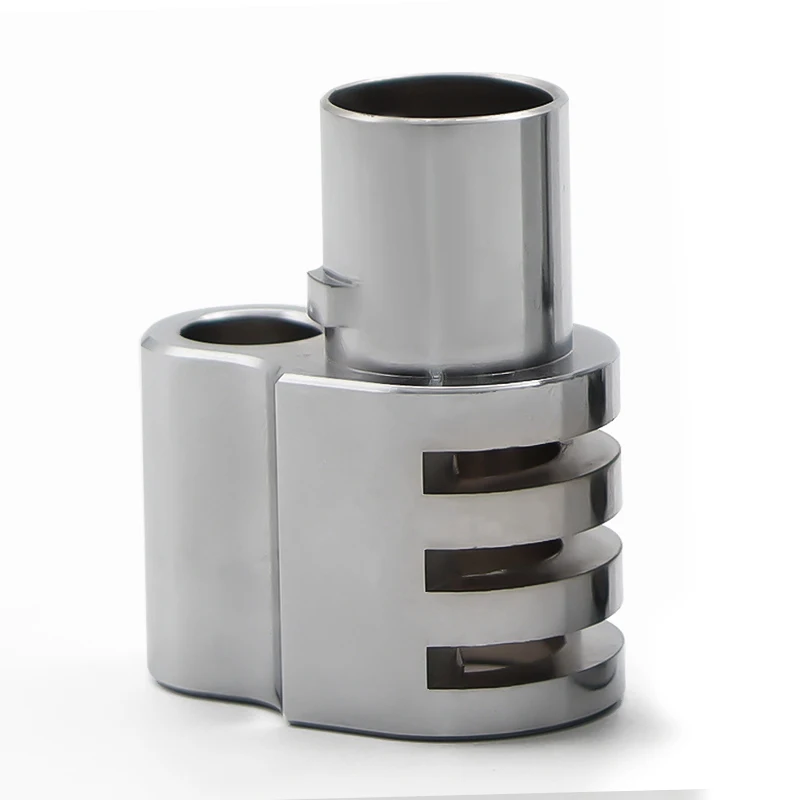
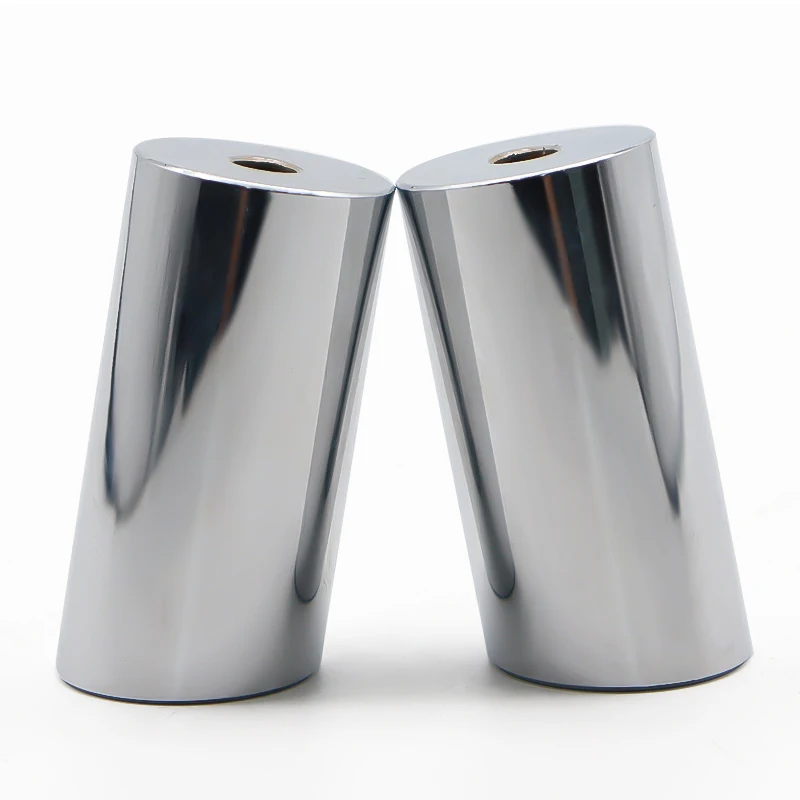
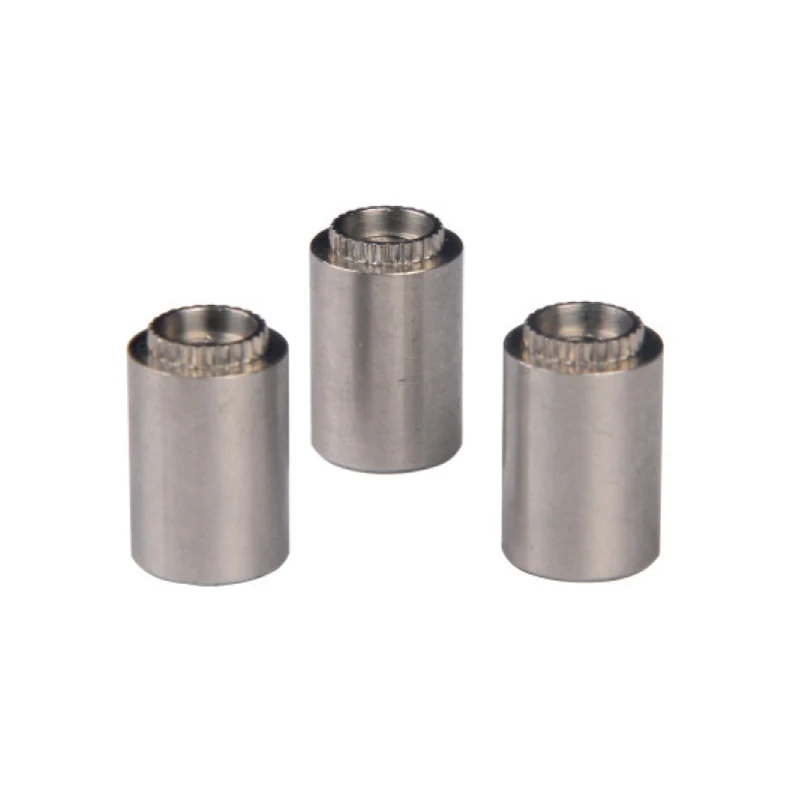
Titanium parts produced by Shenzhen Huarui Century Technology Co., Ltd. are high-performance CNC-machined components engineered for applications where lightweight design, strength, corrosion resistance, and dimensional stability are critical. By combining advanced CNC turning, milling, and multi-axis machining technologies with strict quality control systems, we deliver titanium parts that meet demanding industrial and engineering standards.
Titanium is widely recognized for its exceptional strength-to-weight ratio and stability under harsh environments. Compared with conventional metals, titanium parts provide a unique balance between mechanical strength and reduced mass, making them ideal for precision structures, load-bearing components, and performance-critical assemblies. Huarui’s titanium parts are manufactured from customer-specified grades, ensuring that mechanical properties, corrosion resistance, and thermal behavior are aligned with real operating conditions.
From a performance perspective, titanium parts maintain excellent structural integrity even under continuous stress, vibration, or temperature variation. Their low thermal expansion coefficient contributes to dimensional consistency, which is essential for precision assemblies and tight-tolerance components. This makes titanium parts suitable for applications where accuracy must be maintained over a long service life.
In addition, Huarui provides full OEM and ODM capabilities for titanium parts. Dimensions, tolerances, surface finishes, and functional features are strictly produced according to customer drawings or technical files. Whether for prototyping, small-batch production, or stable series manufacturing, titanium parts can be customized to integrate seamlessly into complex mechanical systems and end products across multiple industries.
One of the most significant advantages of titanium parts is their extremely high specific strength. Titanium offers mechanical strength comparable to many steels while weighing approximately 40% less. This allows titanium parts to reduce overall system weight without sacrificing load-bearing capacity or safety margins.
In aerospace, high-end equipment, and performance-driven industrial systems, weight reduction directly improves efficiency, responsiveness, and energy consumption. Titanium parts enable designers to achieve lightweight structures while maintaining robust mechanical performance, making them a strategic material choice for advanced engineering solutions.
Titanium parts naturally form a dense and stable oxide film on the surface, which provides exceptional resistance to corrosion. This passive layer protects titanium parts from seawater, chlorides, moisture, and a wide range of acidic or alkaline environments.
As a result, titanium parts deliver a significantly extended service life compared with conventional metals, even when exposed to aggressive operating conditions. This corrosion resistance reduces maintenance requirements and replacement frequency, particularly in marine, chemical, and outdoor applications.
Another important advantage of titanium parts is their relatively low coefficient of thermal expansion. Compared with aluminum and many other metals, titanium undergoes less dimensional change when exposed to temperature fluctuations.
This property allows titanium parts to maintain high dimensional accuracy in environments with varying thermal conditions. For precision assemblies, alignment-sensitive components, and high-accuracy mechanical systems, this stability is essential for long-term reliability and performance consistency.
Titanium parts also exhibit strong fatigue resistance under cyclic loading. This makes them suitable for components subjected to repeated stress, vibration, or dynamic forces. Over time, titanium parts maintain structural integrity and performance, reducing the risk of premature failure.
Combined with precision CNC machining and strict inspection standards, these properties ensure that titanium parts can be trusted in safety-critical and high-duty applications.
The customization process for titanium parts begins with a comprehensive review of customer requirements. Drawings, 2D or 3D files, material specifications, tolerance limits, and application details are carefully evaluated by engineering and machining teams. This stage ensures that the selected titanium grade, machining method, and process sequence are technically feasible and aligned with performance expectations.
Clear technical evaluation at the initial stage helps optimize machining efficiency and avoids unnecessary design revisions later in the process.
Based on application requirements, the appropriate titanium material is selected, considering factors such as strength, corrosion resistance, thermal behavior, and machinability. CNC machining strategies are then planned to control cutting forces, heat generation, and surface quality, which are critical when working with titanium.
Process planning includes tool selection, machining paths, and quality checkpoints to ensure consistent accuracy throughout production.
Titanium parts are manufactured using advanced CNC turning, milling, drilling, and multi-process machining equipment. During production, intermediate inspections are carried out to verify dimensional accuracy and surface condition. This step-by-step control ensures that titanium parts remain within specified tolerances and meet functional requirements.
Strict machining discipline is especially important for titanium due to its material characteristics and performance expectations.
After machining, titanium parts undergo final inspection using precision measuring equipment. Dimensions, tolerances, and surface finishes are verified according to customer specifications. Only qualified titanium parts proceed to packaging, which is customized to protect surfaces and ensure safe transportation.
This structured customization process ensures consistency, traceability, and reliability for every titanium parts project.
| Parameter | Specification |
|---|---|
| CNC Machining | CNC Machining |
| Micro Machining | Supported |
| Material Capabilities | Titanium, Aluminum, Brass, Bronze, Copper, Hardened Metals, Precious Metals, Stainless Steel, Steel Alloys |
| Place of Origin | Guangdong, China |
| Brand Name | HUARUI |
| Type | Broaching, Drilling, Chemical Etching, Laser Machining, Milling, Turning, Wire EDM, Rapid Prototyping |
| Size | Customized Size |
| Color | Customized Color |
| Tolerance | According to Customer Drawing Request |
| Material | Customer’s Requirement |
| OEM / ODM | Accepted |
| Quality Control | 100% Inspection |
For titanium parts, precise communication is essential to achieve optimal results. By providing detailed drawings, application descriptions, and performance expectations, customers can ensure that titanium parts are manufactured accurately and efficiently.
Early technical discussion helps streamline customization, improve production efficiency, and ensure that titanium parts meet both functional and lifecycle requirements.
We support commonly used titanium grades based on customer requirements, including grades suitable for aerospace, industrial, and corrosion-resistant applications.
Yes. Titanium parts maintain mechanical stability over a wide temperature range and are suitable for applications with thermal variation.
Titanium parts can achieve tolerances as tight as ±0.01 mm, depending on geometry and design requirements.
Yes. Titanium parts can be produced as prototypes, small batches, or stable series production.
Titanium parts are widely used in aerospace, marine, medical, industrial equipment, energy, and high-performance mechanical systems.
 EN
EN