

Home > Products > CNC turning service > Stainless steel parts
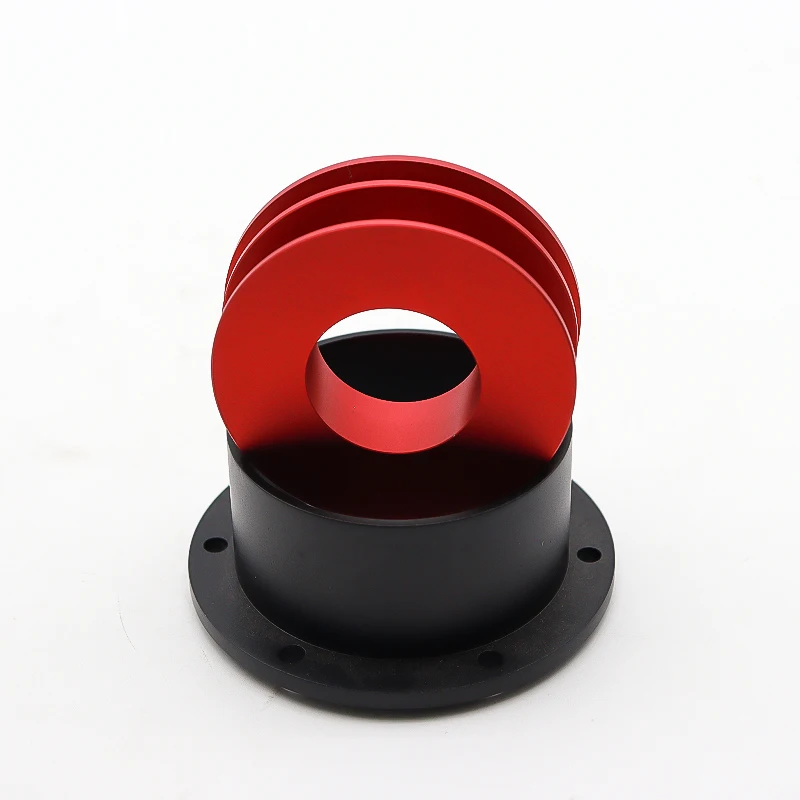
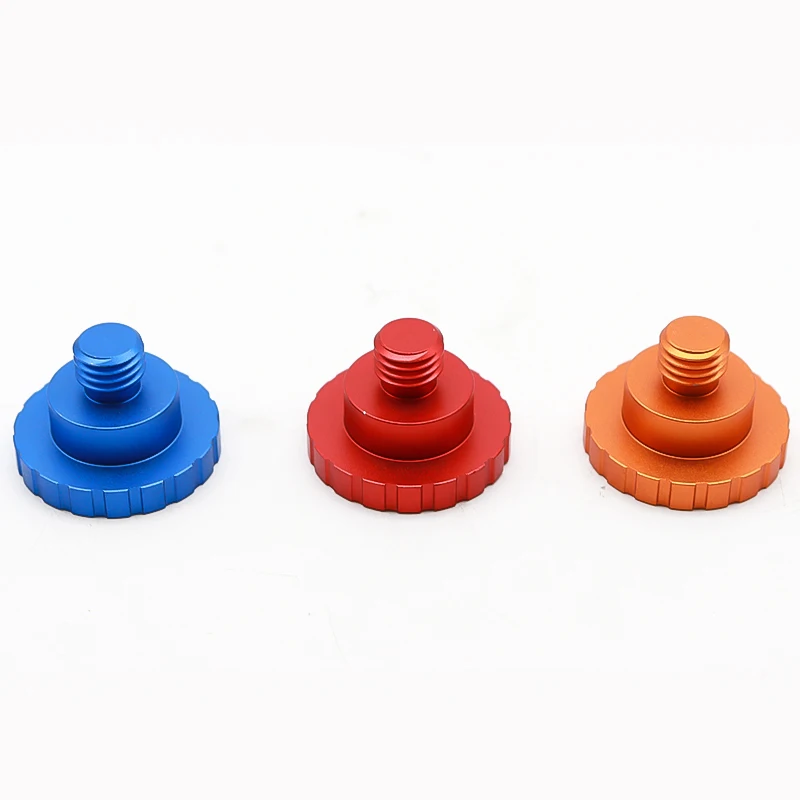
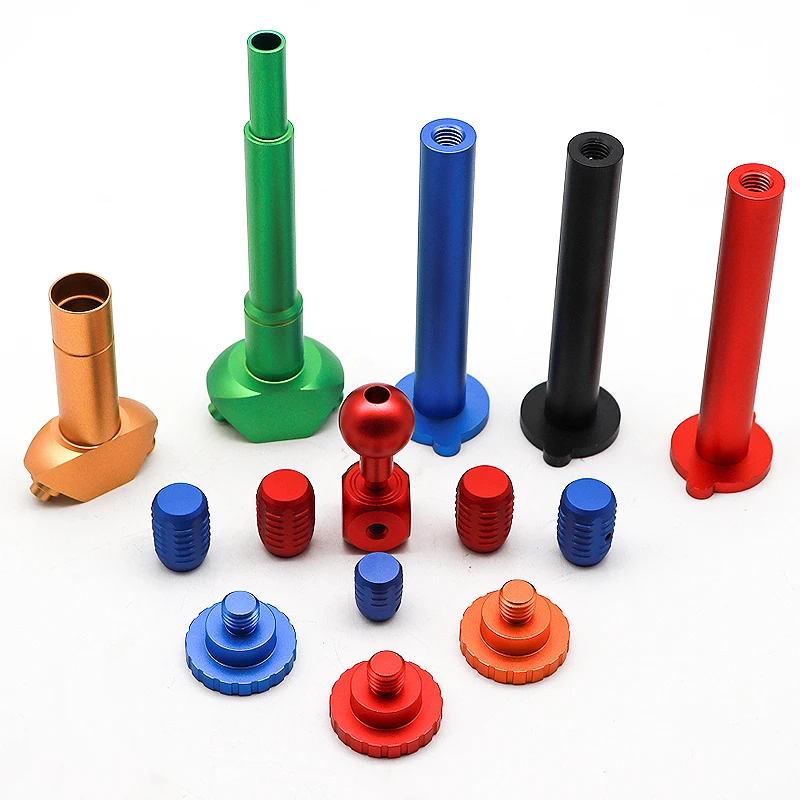
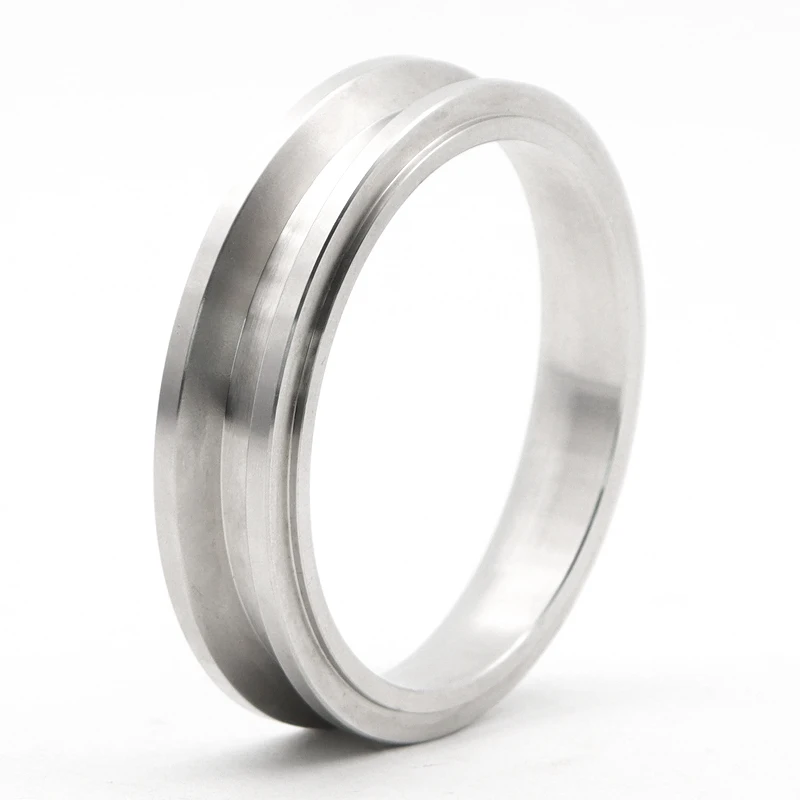
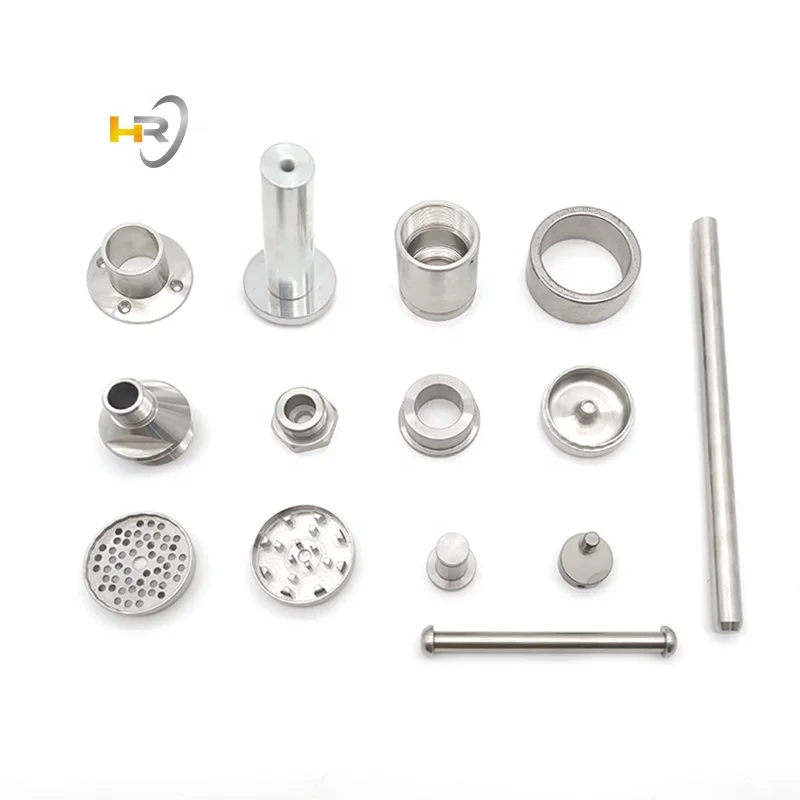
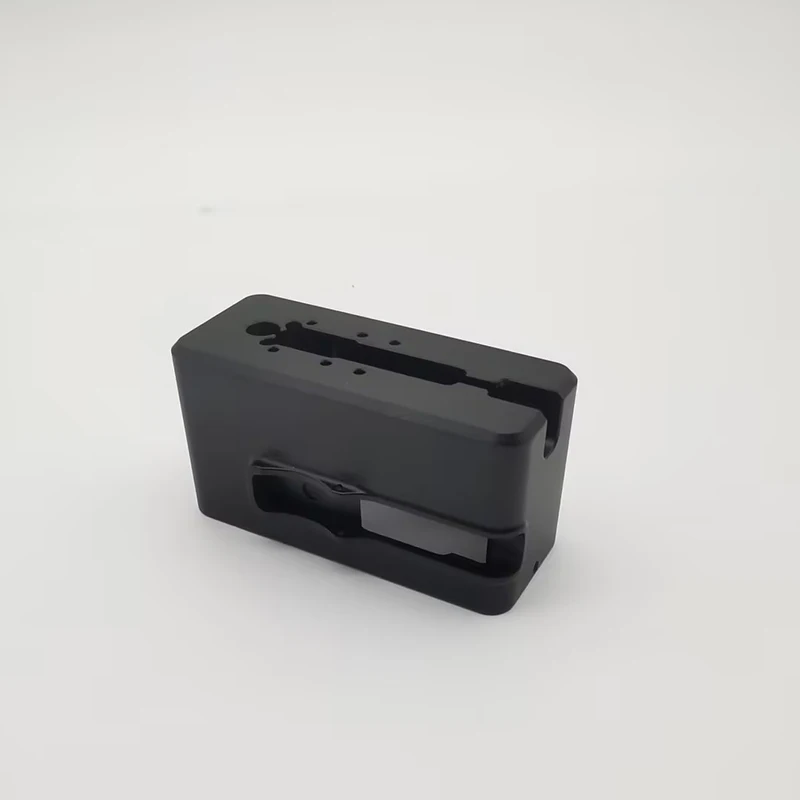
Stainless steel parts manufactured by Shenzhen Huarui Century Technology Co., Ltd. are precision CNC-machined components designed for applications that demand durability, hygiene, corrosion resistance, and dimensional stability. Leveraging advanced CNC machining technologies, our stainless steel parts cover a broad spectrum of industrial uses, from structural components to high-precision functional parts.
Stainless steel parts are produced using a wide range of grades, including austenitic, martensitic, and hardened stainless steels, allowing them to adapt to different mechanical and environmental requirements. Through CNC milling, turning, drilling, and multi-process machining, complex geometries and tight tolerances can be consistently achieved. This makes stainless steel parts suitable for both standard components and highly customized OEM applications.
From a performance standpoint, stainless steel parts exhibit excellent mechanical strength, resistance to deformation, and long-term dimensional stability. These characteristics ensure reliable operation in environments exposed to moisture, chemicals, temperature variation, or continuous mechanical stress. Compared with ordinary carbon steel parts, stainless steel parts significantly reduce the risk of corrosion-related failure and surface degradation.
In addition, stainless steel parts manufactured by Huarui support full customization. Component size, shape, tolerance, surface finish, and material grade are defined strictly according to customer drawings or technical specifications. This flexible manufacturing capability allows stainless steel parts to integrate seamlessly into automated equipment, mechanical assemblies, and end products across multiple industries.
One of the most important advantages of stainless steel parts is their excellent ductility and formability. Austenitic stainless steels, such as 304 and 316, can withstand deep drawing, bending, and complex forming operations without cracking. This property allows stainless steel parts to be machined into intricate shapes, thin-walled structures, and precision profiles while maintaining structural integrity.
During CNC machining, this formability contributes to stable cutting behavior and reduced internal stress. Stainless steel parts can maintain consistent accuracy even in complex designs, making them ideal for customized industrial components that require both strength and flexibility.
Stainless steel parts are widely recognized for their hygienic surface characteristics. The dense, non-porous surface structure prevents the accumulation of contaminants and inhibits bacterial growth. As a result, stainless steel parts are the preferred or mandatory material in industries such as food processing, medical devices, pharmaceuticals, and laboratory equipment.
Surface treatments such as polishing or passivation further enhance cleanliness and corrosion resistance. These treatments make stainless steel parts easy to clean, resistant to chemical cleaning agents, and suitable for applications with strict hygiene standards.
Certain stainless steel grades, including 420 and 440C, provide outstanding hardness and wear resistance after heat treatment. Stainless steel parts made from these materials are suitable for applications involving friction, repeated motion, or mechanical contact, such as shafts, bearings, valve components, and moving assemblies.
This wear resistance ensures that stainless steel parts maintain their functional accuracy over long service cycles. Reduced wear also translates into lower maintenance costs and improved equipment reliability, especially in high-duty industrial environments.
Another defining advantage of stainless steel parts is their inherent corrosion resistance. The chromium oxide layer formed on the surface protects against rust, oxidation, and chemical attack. Depending on the selected grade, stainless steel parts can operate reliably in humid conditions, mildly acidic environments, or outdoor applications.
This environmental adaptability makes stainless steel parts suitable for long-term use without frequent replacement, even in demanding operating conditions.
In food processing and packaging machinery, stainless steel parts are essential due to their hygienic surface and corrosion resistance. Components such as housings, brackets, shafts, and connectors made from stainless steel parts ensure compliance with food safety standards while maintaining long-term durability under frequent cleaning and exposure to moisture.
Medical equipment relies heavily on stainless steel parts for their cleanliness, strength, and biocompatibility. Precision-machined stainless steel parts are commonly used in surgical instruments, diagnostic equipment, and medical device assemblies where accuracy and surface quality are critical.
Stainless steel parts play a vital role in industrial automation systems, including conveyors, robotic assemblies, and precision motion equipment. Their dimensional stability and wear resistance support continuous operation under repetitive loads, ensuring consistent performance and reduced downtime.
In automotive and transportation applications, stainless steel parts are used for structural supports, connectors, brackets, and functional components exposed to vibration and environmental stress. The combination of strength and corrosion resistance improves component lifespan and safety.
Stainless steel parts are also widely used in energy equipment, electrical enclosures, and general industrial machinery. Their adaptability to various environments and machining requirements makes them a reliable choice for both standard and customized components.
| Parameter | Specification |
|---|---|
| CNC Machining | CNC Machining |
| Micro Machining | Supported |
| Material Capabilities | Stainless Steel, Aluminum, Brass, Bronze, Copper, Hardened Metals, Precious Metals, Steel Alloys |
| Place of Origin | Guangdong, China |
| Brand Name | HUARUI |
| Type | Broaching, Drilling, Chemical Etching, Laser Machining, Milling, Turning, Wire EDM, Rapid Prototyping |
| Size | Customized Size |
| Color | Customized Color |
| Tolerance | According to Customer Drawing Request |
| Material | Customer’s Requirement |
| OEM / ODM | Accepted |
| Quality Control | 100% Inspection |
For stainless steel parts projects, clear technical communication is essential. By sharing detailed drawings, material specifications, tolerance requirements, and application information, customers can ensure that stainless steel parts are manufactured accurately and efficiently.
Early-stage communication helps align design intent with manufacturing feasibility, reducing lead time and ensuring that stainless steel parts meet performance expectations throughout their service life.
We support a wide range of stainless steel grades, including 304, 316, 303, 410, 420, and 440C, selected based on application requirements.
Yes. Stainless steel parts can be produced for prototypes, small batches, or mass production, depending on project needs.
Stainless steel parts can achieve tolerances as tight as ±0.01 mm, subject to design and material conditions.
Yes. Polishing, passivation, heat treatment, and other surface treatments are available to enhance performance and appearance.
Our stainless steel parts serve food processing, medical, automation, automotive, electronics, energy, and general industrial sectors.
 EN
EN