
Casting: Shaping Metal through Molten Fluidity
It is a foundational manufacturing process characterized by:
1.Design Freedom & Complexity (Capable of producing parts with intricate internal cavities and complex geometries impossible for other methods)
2.Cost-Effectiveness at Scale (Ideal for high-volume production with low per-unit cost after mold creation
3.Material Versatility (Applicable to a vast range of metals and alloys, from iron and aluminum to zinc and copper)
4.Near-Net Shape Efficiency (Forms parts close to their final dimensions, minimizing material waste and secondary machining)
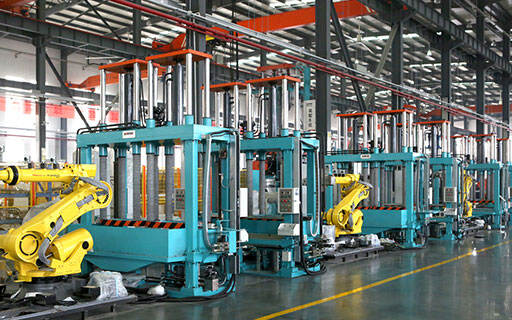
Casting is a manufacturing process where molten metal is poured into a pre-designed mold cavity, solidifying into a desired shape. The process involves pattern making, mold preparation, melting and pouring, cooling, and post-processing such as trimming and surface treatment. This method efficiently produces complex geometries with internal features, making it ideal for high-volume production.
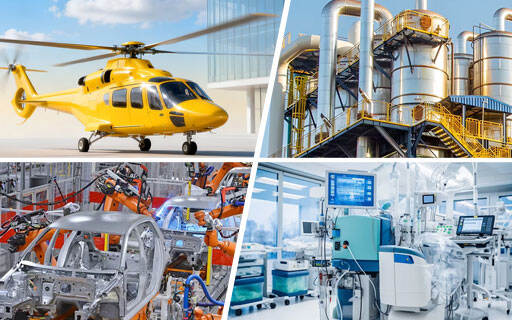
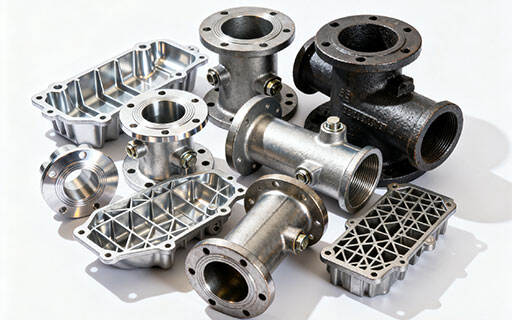
Casting is widely used across multiple industries due to its ability to produce large, complex components cost-effectively. It is essential in automotive for engine blocks and transmission cases, in aerospace for turbine blades and structural parts, in machinery for heavy-duty equipment housings, and in consumer goods like plumbing fixtures and decorative art.
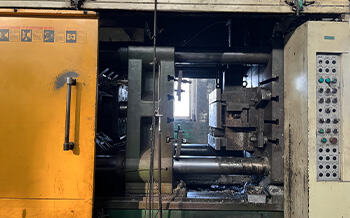
Die casting forces molten metal into a reusable mold under high pressure, enabling the high-volume production of dimensionally stable, thin-walled parts with excellent surface finish
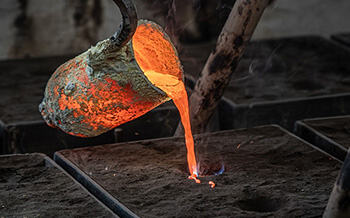
Sand casting utilizes expendable sand molds to create large and heavy metal components, offering exceptional design flexibility and cost-effectiveness for low to medium volume production.
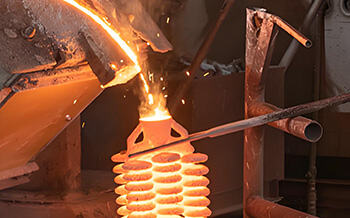
lost wax Investment casting creates highly complex and accurate parts by pouring metal into a ceramic shell mold built around a wax prototype, ideal for intricate geometries and hard-to-machine alloys.
Explore high-performance casting materials including cast iron, aluminum alloy, and bronze — each engineered for durability, precision, and industry-specific applications.
A fundamental casting metal valued for its exceptial wear resistance, outstanding vibration damping capacity, excellent castability for complex shapes, and high compressive strength, making it ideal for engine blocks, machine bases, and heavy-duty components.
A highly popular choice known for its low density and lightweight properties, good strength-to-weight ratio, excellent corrosion resistance, and superior thermal conductivity, perfect for automotive, aerospace, and consumer product applications.
Renowned for its excellent wear and corrosion resistance, good machinability, low friction coefficient, and attractive golden-brown appearance, commonly used for bearings, bushings, valves, and artistic castings.
Our company mainly provides customers with high-quality products and reliable services, so as to save customers' time and cost.
After you send your inquiry, our professional team will communicate with you. After understanding your needs, our engineers will provide a quote for the products you require.
 EN
EN