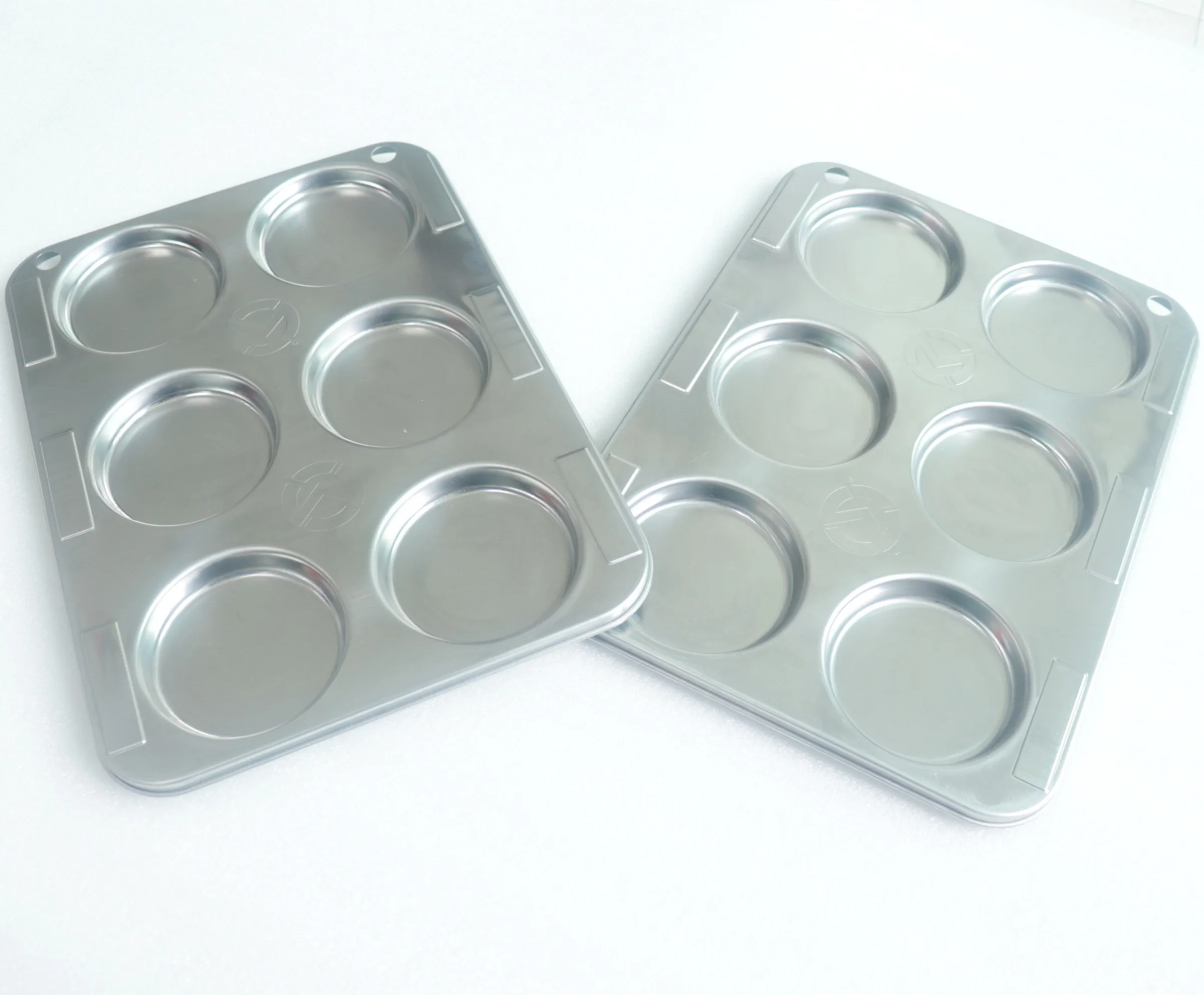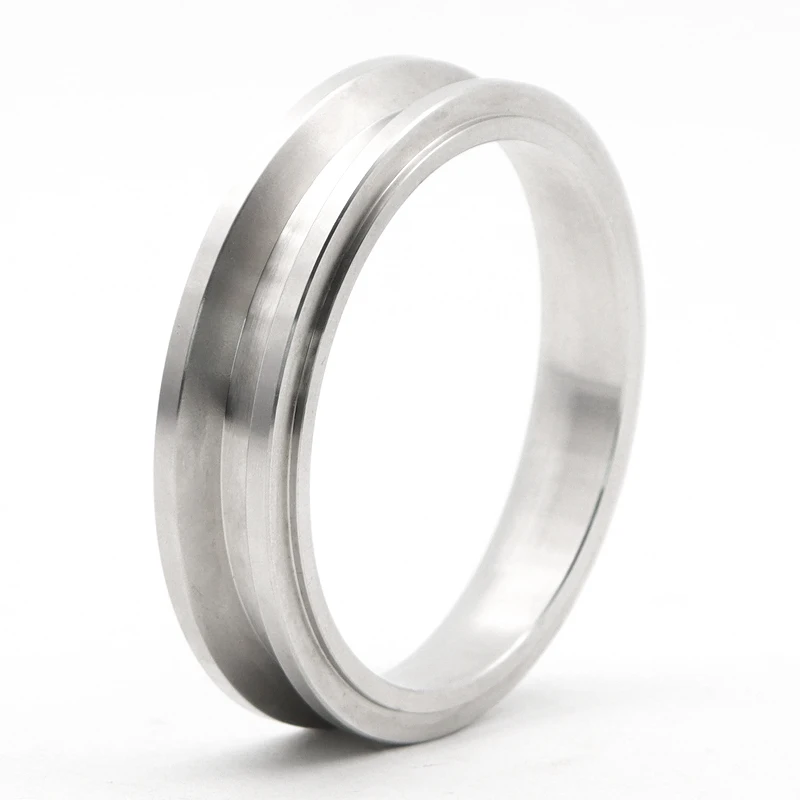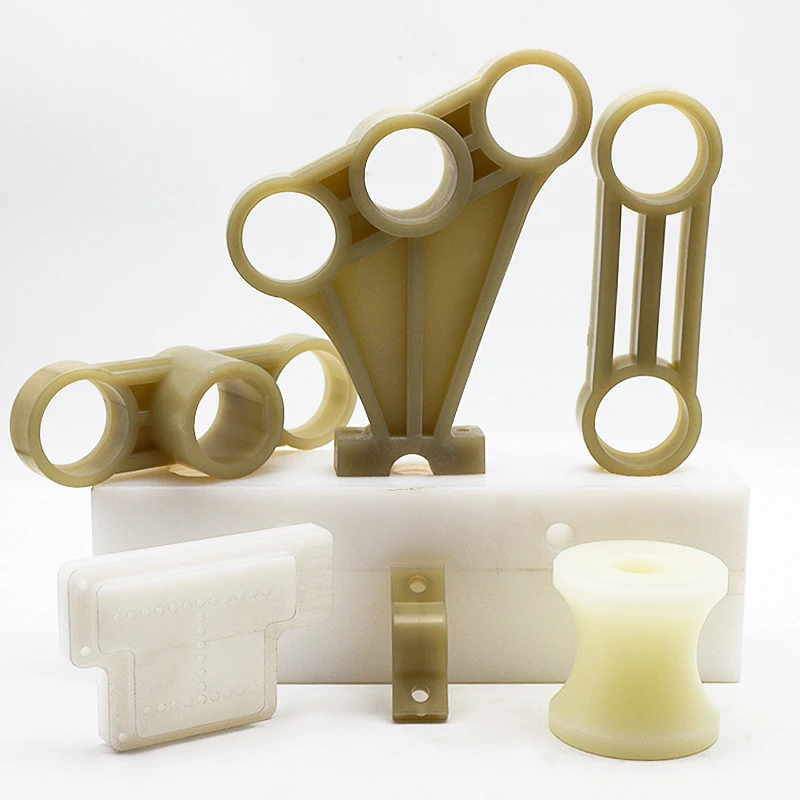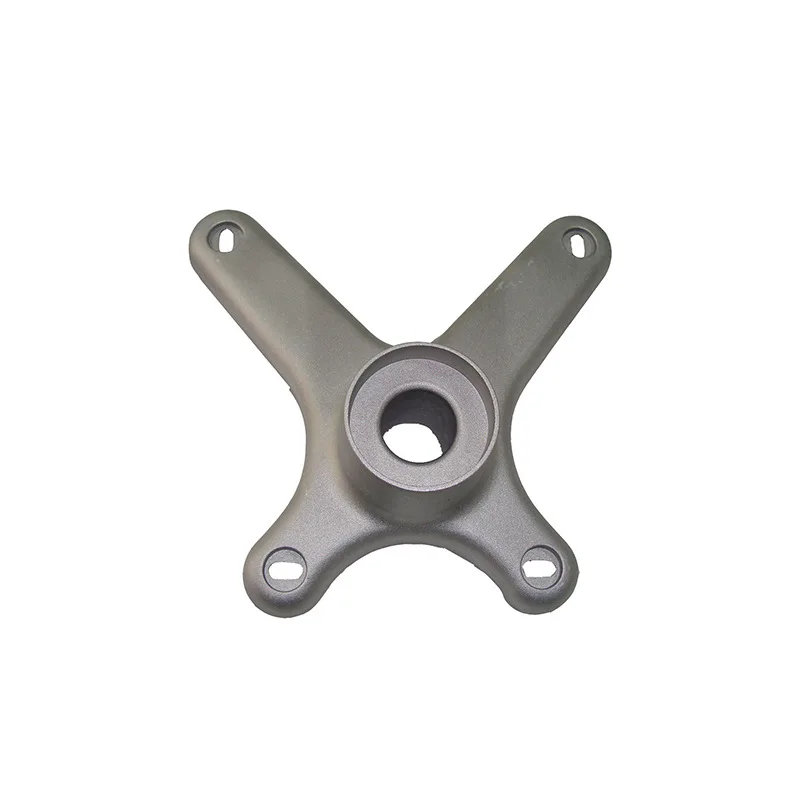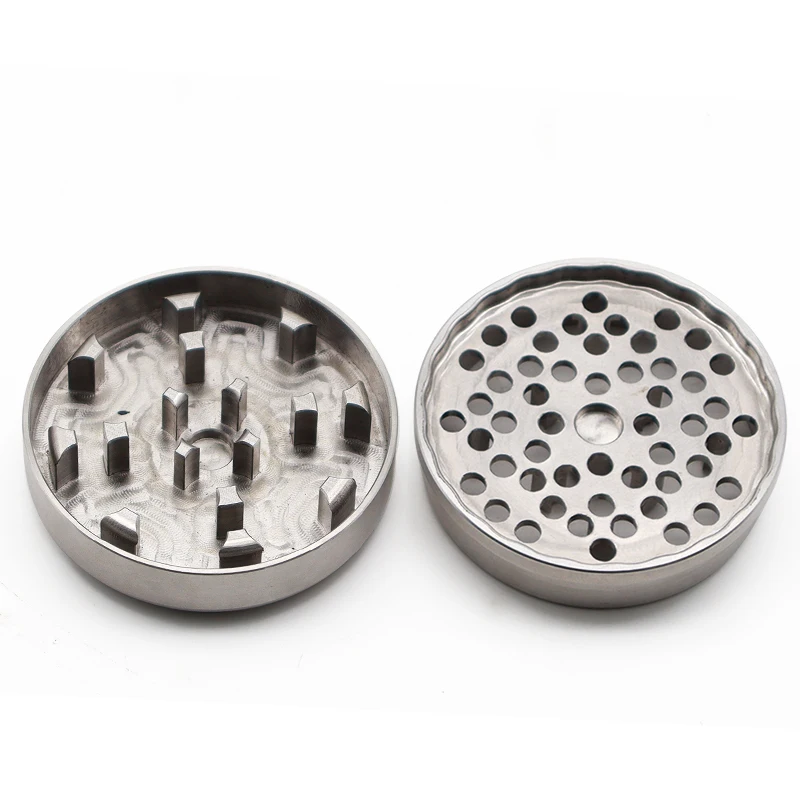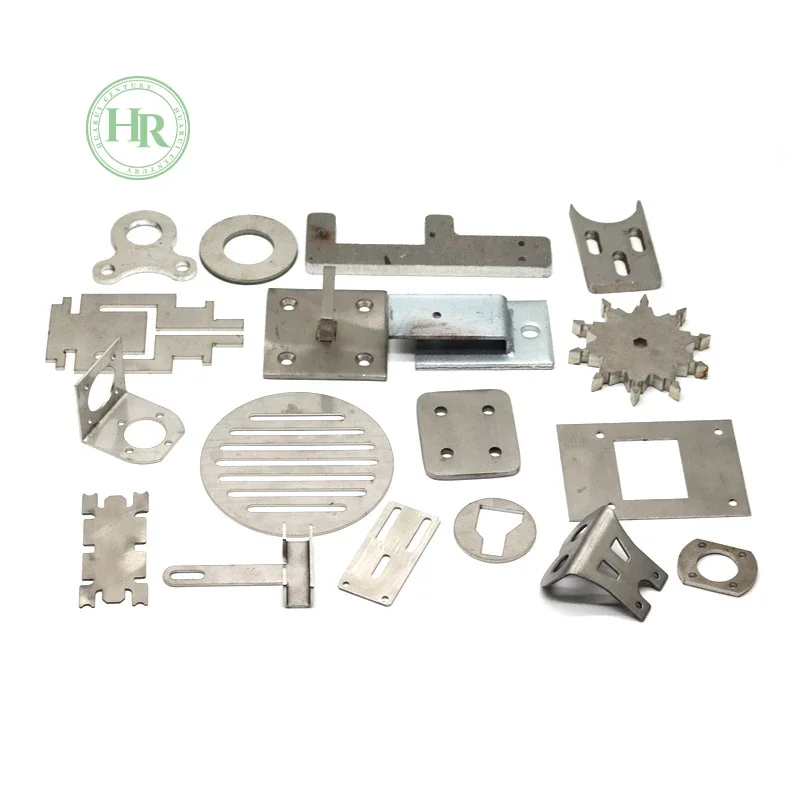
CNC (Computer Numerical Control) machining technology, with its revolutionary advantages, continues to drive industrial upgrading and innovative breakthroughs. This technology has not only changed traditional production methods but has also become an indispensable cornerstone in the field of precision manufacturing.
The core advantage of CNC machining lies first and foremost in its unparalleled precision control capabilities. Driven by digital instructions, CNC equipment can achieve micron-level (0.001mm) machining accuracy, ensuring that each part perfectly conforms to design specifications. More importantly, once the program is set, the machine tool can produce thousands of identical parts 24 hours a day without interruption, completely eliminating human error that is unavoidable in traditional manual machining. This superior repeatability provides reliable assurance for fields with extremely high precision requirements, such as medical devices and aerospace.
Geometry Complex three-dimensional surfaces, subtle contours, and fine internal cavities that are difficult to achieve with traditional machining methods are easily solved with CNC multi-axis linkage technology. Five-axis CNC machine tools can simultaneously control the movement of the tool in five directions, easily completing multi-faceted machining in a single setup. This not only ensures the precise relative positions between various features but also greatly expands the creative space for designers. From turbine blades to artificial joints, from precision molds to customized parts, CNC technology enables the realization of even the most complex design concepts.
CNC machining is compatible with virtually all engineering materials, including various metal alloys, engineering plastics, and composite materials. This superior material adaptability, combined with its highly automated machining process, makes CNC an ideal choice for everything from rapid prototyping to mass production. Modern CNC shops, through automated clamping systems and robot assistance, have achieved "lights-out production," significantly improving production efficiency and shortening product delivery cycles.
From CAD models to CAM programming and CNC machining, a complete digital workflow ensures seamless transfer of product data. When a design needs modification, only the digital model needs updating and the machining program needs to be regenerated; there is no need to change the physical tooling. This flexibility greatly accelerates product development iterations, making it particularly suitable for today's market demands for rapid response.
"The essence of CNC machining is the most reliable bridge to transform digital design into a physical entity," said the technical director of a precision manufacturing company. "It not only ensures the precision and quality of products, but more importantly, it provides solid technical support for innovation."
 Hot News
2025-11-18
2025-11-14
 EN
EN